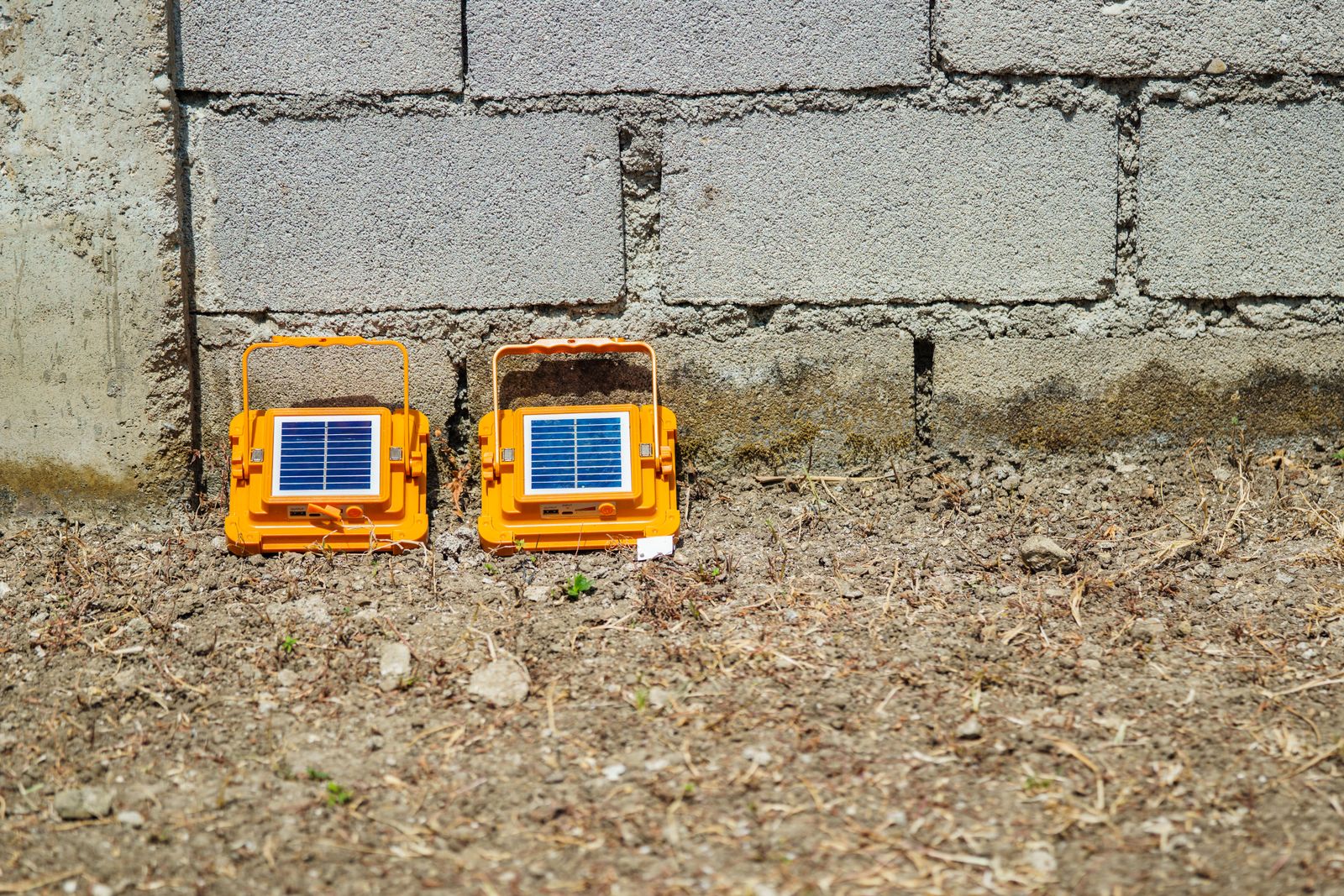
How to Maximize Sunlight Exposure and Placement for Solar-Powered Swaying Firefly Lights
Are your solar firefly lights shutting off after only an hour or standing entirely still in the breeze? Premature battery drain occurs when solar panels receive under 6 hours of unshaded sunlight due to leaf cover, overhangs, or poor orientation, while stiff stems stem from foliage entanglement. Stake lights in unshaded south-facing spots with 4–6 inches of clearance around flexible stems.
Diagnostic Flowchart: Pinpointing Solar Charge & Sway Failure Modes
- Do lights stay dark or turn off within 1-2 hours of dusk? → Yes: Check if the solar panel receives 6+ hours of unshaded sun. If shaded by eaves or tall perennials, relocate stake forward toward sunny border edges.. No: Proceed to motion and sensor evaluation..
- Do the LED bulbs flicker or shut down when ambient porch lights turn on? → Yes: The dusk-to-dawn photosensor is detecting artificial light. Move the stake at least 10 feet away from porch fixtures or security floodlights.. No: Proceed to stem motion evaluation..
- Are the flexible stems remaining completely rigid during wind gusts? → Yes: Stems are entangled in surrounding heavy foliage. Prune neighboring branches or maintain a 4 to 6-inch open sway clearance radius.. No: System is operating at peak micro-location efficiency..
Solar Firefly Light Failure Mode & Placement Troubleshooting Matrix
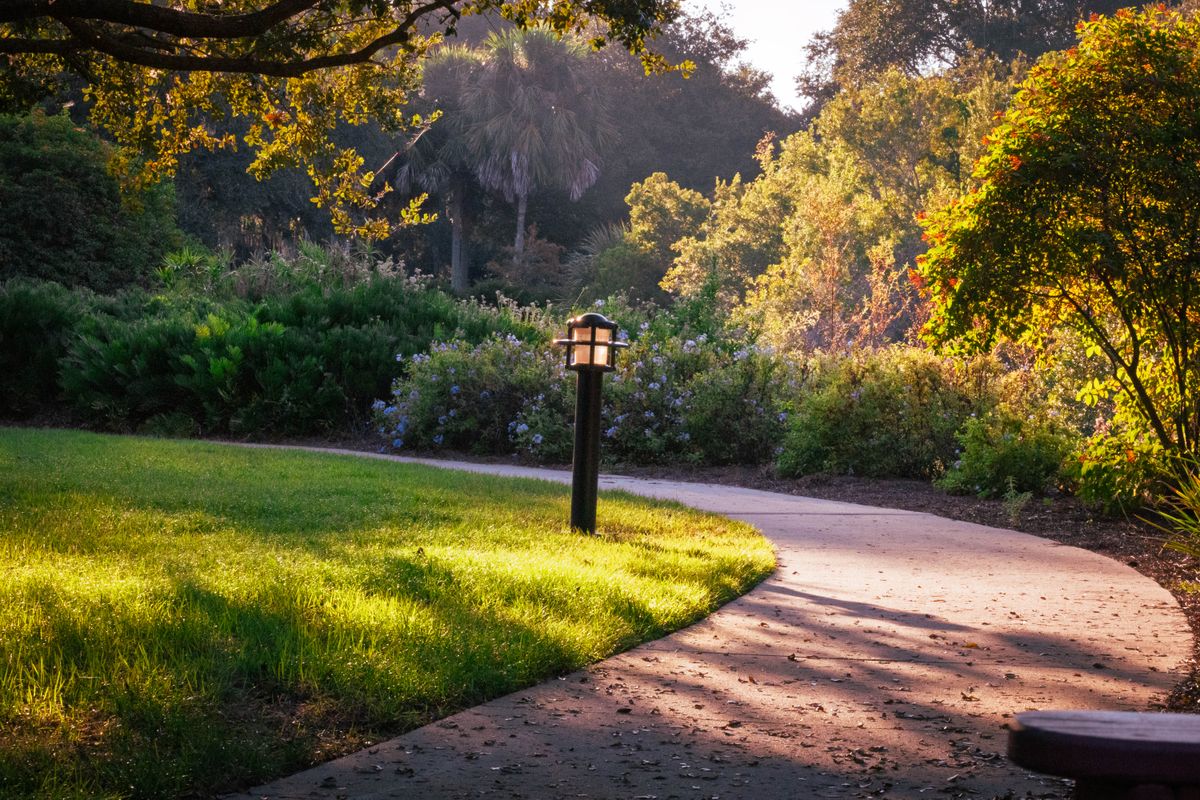
Photo by Kim Lawrie on Pexels
| Failure Symptom | Micro-Location Root Cause | Immediate Quick Fix | Long-Term Placement Strategy |
| --- | --- | --- | --- |
| Dim illumination / Shuts off after 1-2 hours | Solar panel shaded by roof eaves, garden fences, or growing perennial leaf canopy | Clear debris and elevate panel 2-4 inches above surrounding mulch | Relocate stake to a south/west-facing bed border receiving 6-8 hours of direct, unshaded sunlight daily |
| Stems remain motionless despite strong breeze | Flexible stems pressed against thick shrub stems, wooden edging, or heavy foliage | Manually untangle stems and push neighboring plants back | Maintain a 6-inch radial clearance zone around the cluster to catch natural wind corridors |
| Lights flicker rapidly or fail to illuminate at dusk | Dusk-to-dawn photosensor exposed to direct light from porch lamps or streetlights | Shield photosensor or rotate solar panel housing away from street fixtures | Maintain a minimum 10-foot buffer distance from artificial light sources |
| Gradual drop in runtime over 3-4 weeks | Dust, pollen, or hard water sprinkler residue coating the plastic optical casing | Wipe panel clean with a damp microfiber cloth and mild vinegar solution | Adjust lawn sprinkler angles to prevent direct hard water spray hitting solar panels |
Compare failure symptoms against micro-location root causes to apply immediate fixes and permanent positioning fixes.
Pro Tip: The Micro-Location Sunlight Audit Technique
Don't guess where sun hits your garden bed—shadows shift dramatically between morning and late afternoon. Conduct a 3-point sun audit tomorrow at 10 AM, 1 PM, and 4 PM. Mark candidate stake locations with wooden skewers. If a skewer falls under a fence or canopy shadow during any of those three checks, shift the position forward by 12 inches toward open lawn.
The 5-Point Solar Firefly Placement Checklist
- Unshaded Sky Access: Ensure the solar panel receives at least 6 hours of unshaded direct sunlight daily.
- Sway Clearance Zone: Maintain a 4 to 6-inch open radius around flexible stems to allow free wind motion.
- Ground Level Safety: Push stake securely into soft soil, ensuring panel rests 2-4 inches above surrounding mulch.
- Artificial Light Distance: Keep panels at least 10 feet away from bright porch lights, streetlights, or floodlights.
- Clean Optical Surface: Wipe dust, pollen, and hard water spots off the solar panel face with a microfiber cloth.
Decision Tree: Where to Stake Your Firefly Lights Based on Landscape Layout
- Are you placing stakes inside a dense flower bed with tall perennials? → Yes: Stake near the front border edge where low groundcover won't cover solar panels as plants leaf out.. No: Proceed to pathway and open lawn evaluation.
- Is the pathway bordered by a 6-foot privacy fence or building wall? → Yes: Position stakes on the sunlit side of the path, or offset stakes 12 inches away from the wall to clear structural shadow zones.. No: Proceed to open lawn and walkway positioning.
- Is your patio area exposed to open breeze corridors? → Yes: Space lights in staggered clusters of 2 to 3 stakes to maximize gentle stem sway while preventing collisions.. No: Cluster lights near open lawn edges to harvest both wind energy and direct solar rays.
When flower beds mature in late spring, hostas, hydrangeas, and tall ornamental grasses expand outwards, creating unexpected shadow traps over low ground stakes. If your firefly lights were performing flawlessly in April but begin dying early in June, the issue is almost always canopy encroachment.
To restore full 8 to 10-hour nighttime glow without removing your favorite plants, elevate the solar panel assembly slightly or shift ground stakes forward toward sunny border edges. Solar firefly lights are engineered with zero-wiring convenience, meaning you can easily re-stake them as seasonal light patterns evolve across your yard.
Summary: Key Sunlight & Placement Rules for Swaying Lights
- Direct Sun Requirement: Panels require 6+ hours of direct daylight to fully charge internal Ni-MH batteries.
- Foliage Elevation: Keep solar panels 2–4 inches above surrounding leaf mulch to avoid shadow traps.
- Sway Clearance: Provide 4–6 inches of open space around flexible stems to ensure natural breeze motion.
- Photosensor Isolation: Keep solar panels 10+ feet away from bright artificial fixtures to avoid dusk-to-dawn sensor confusion.
- Seasonal Adjustments: Shift stake locations forward in late spring as tree canopies leaf out.
Quick Reference Field Guide (Printable Card)
- Sun Audit Times: Check shadows at 10 AM, 1 PM, and 4 PM.
- Min Sun Exposure: 6 Hours Direct Sunlight.
- Foliage Sway Gap: 4-6 Inches Radial Clearance.
- Porch Light Buffer: 10 Feet Minimum Distance.
- Cleaning Routine: Damp microfiber cloth with mild vinegar water every 30 days.
Optimal Setup Gear: Solar Firefly Light Packs
Transform your dark walkways and garden borders with warm, wind-swaying firefly glow. These outdoor-ready solar stake lights require zero wiring and feature automatic dusk-to-dawn sensors.
Ready to illuminate your garden paths with magical swaying light? Explore our Solar Firefly Lights 4-Pack and 8-Pack collections today for effortless, zero-electricity evening ambience!
Placement Zone Sunlight Performance Matrix
| Placement Zone | Direct Sun Hours | Expected Night Runtime | Stem Sway Freedom | Overall Suitability |
| --- | --- | --- | --- | --- |
| Open Lawn / Sunny Pathway Border | 7 - 9 Hours | 8 - 10 Hours | Excellent (Unobstructed wind) | Optimal |
| Low Perennial Bed Edge (Front Border) | 6 - 7 Hours | 7 - 9 Hours | Good (Minor grass contact) | Highly Recommended |
| Dense Shrubbery / Deep Flower Bed | 2 - 4 Hours | 1 - 3 Hours | Poor (Entangled in branches) | Avoid (Shadow Trap) |
| Under Porch Roof / Covered Patio Eave | 0 - 2 Hours | 0 - 1 Hours | Moderate (Shielded from breeze) | Unsuitable |
Compare expected runtime and sway behavior across common garden placement zones.
Visual Guides: Sun Path Clearance & Sway Radius Specifications

Photo by Myco Libot on Pexels
Review these diagram specifications to visualize proper shadow clearance and stem motion radiuses.
Interactive Tool Concept: Solar Charging & Run-Time Estimator
Use this logic model to estimate nightly illumination based on daily direct sun exposure and solar panel cleanlines.
Step-by-Step: How to Position Solar Firefly Stakes for Maximum Charge & Sway
Follow these four steps to install your lights for maximum charging efficiency and graceful swaying motion.
Top 5 Placement Mistakes That Drain Solar Firefly Batteries
Avoid these frequent placement blunders to keep your garden glowing bright all season long.
Frequently Asked Questions About Solar Firefly Placement
Answers to common homeowner questions regarding light placement, sensor interference, and panel maintenance.
Related Guides & Solar Tech Resources
Explore additional solar landscape lighting topics to expand your yard's eco-friendly illumination:
- Position Firefly Lights in Shaded Flower Beds
- How Solar Dusk-to-Dawn Sensors Detect Light
- Winter Sunlight Optimization and Battery Maintenance Guides
Immediate Next Steps to Revitalize Your Garden Glow
Your decision: Decide whether your current firefly light positions suffer from shadow traps or physical stem obstruction.
Do this next: Conduct a 3-point sun audit tomorrow at 10 AM, 1 PM, and 4 PM, then shift affected stakes at least 12 inches away from tall foliage.
- Read next: Positioning solar firefly lights in dense flower beds
- Read next: How solar dusk-to-dawn sensors detect light
Expand your sunny pathway lighting layout with the Solar Firefly Lights 8-Pack (64 LEDs) for complete zero-electricity coverage.
Take action today to optimize your solar firefly lights for vibrant, all-night swaying charm.
Cover photo by Nothing Ahead on Pexels.