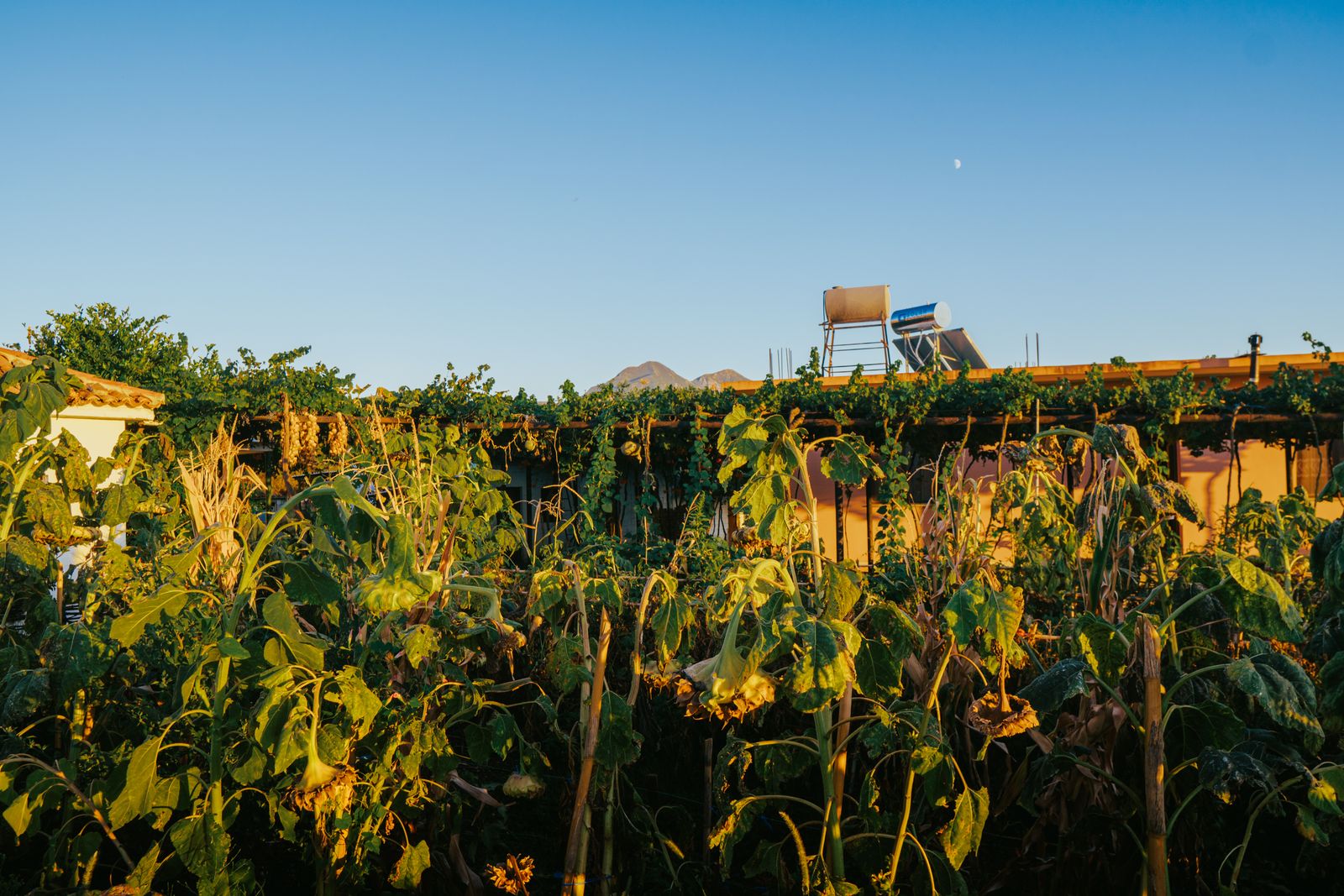
Solar Firefly Lights Placement & Sunlight Mapping Guide
Many home garden guides claim solar firefly lights charge just as efficiently in filtered skylight or soft shade. In reality, partial or dappled shade reduces solar panel output by up to 70%, leaving lights dim or unlit shortly after dusk.
To achieve a continuous 8 to 10-hour nighttime illumination, install your solar firefly light stakes in a location that receives 6 to 8 hours of direct, unshaded sunlight daily. Position the stakes so the solar panel points unobstructed toward the southern or southwestern sky, while preserving an 8 to 12-inch open radius around the flexible stems so breezes can produce their realistic, swaying firefly motion without obstruction from adjacent plants or walls.
Visual Mapping Blueprint: Sun Exposure & Sway Radius
Proper placement requires balancing solar absorption with physical clearance. Use this layout specification to map solar panel angles, roof shadow lines, and stem clearance zones across your landscape.
Real-Yard Placement Scenarios: Overcoming Landscape Shadow Traps
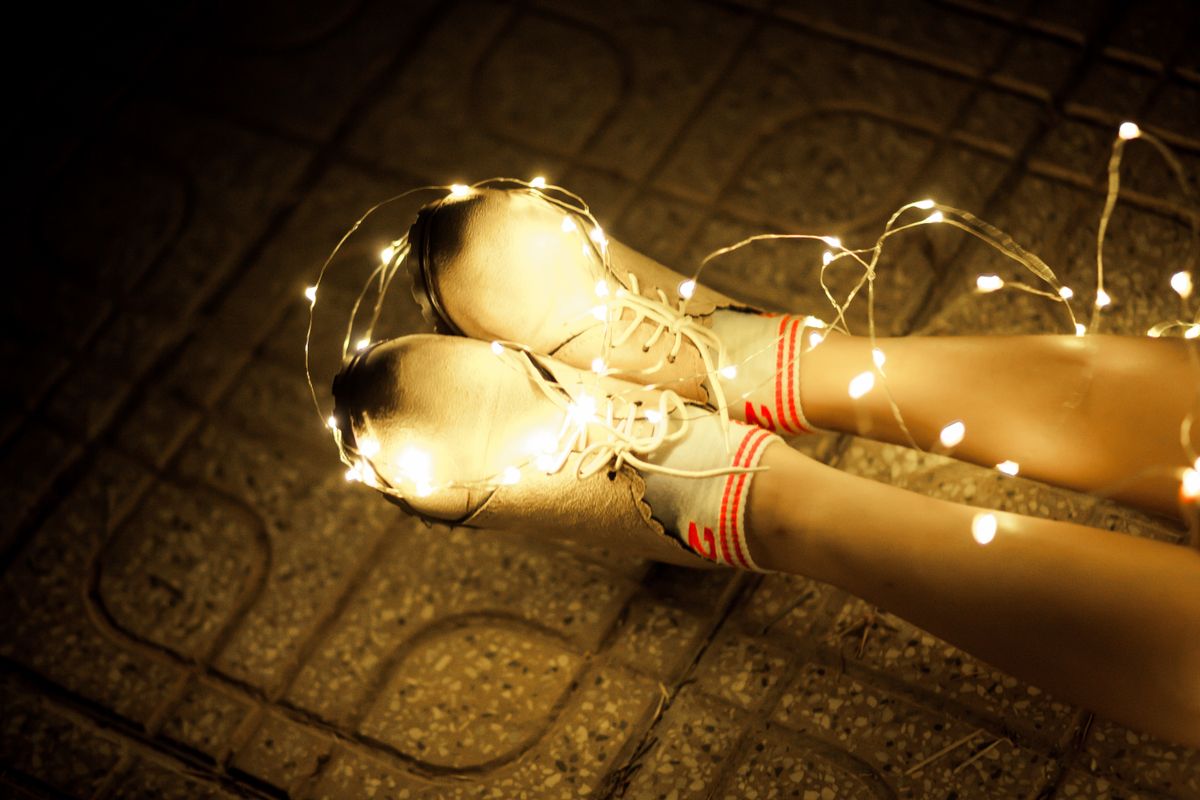
Photo by Hồng Thắng Lê on Pexels
Bordering a 6-Foot Privacy Fence — Avoid staking lights closer than 2 to 3 feet from north-facing fences. Fences cast long shadows during late morning and early afternoon. Place stakes along the outer bed edge facing south or southwest.
Nestled Inside Dense Flower Beds — Ensure fast-growing perennials (such as hostas or hydrangeas) do not grow over the solar panel. Adjust stake elevation so the panel sits 2 inches above mature foliage while allowing light stem tips to cluster among flowers.
Under Deciduous Tree Canopies — Dappled shade under trees cuts photovoltaic output dramatically. Position stakes along the outer drip line of the tree canopy rather than under primary branches to capture unobstructed sun hours.
Walkway Borders Near House Eaves — Single-story and two-story roof eaves cast wide ground shadows during mid-day sun peak. Stake lights at least 4 feet away from outer rooflines to maintain uninterrupted overhead exposure.
Every outdoor space features unique shadow barriers—from privacy fences to maturing garden canopies. Here is how to navigate common yard layouts to protect solar panel efficiency.
Placement Gallery: Correct vs. Incorrect Stake Positioning
Visualizing proper stake distance and panel angles helps prevent common layout mistakes before driving stakes into the ground.
Key Placement Rules at a Glance
- Sunlight Requirement: Target 6 to 8 hours of direct, unshaded sunlight daily for maximum battery top-off.
- Shadow Buffer: Keep solar panels at least 2 to 4 feet clear of tall privacy fences, porch overhangs, and building eaves.
- Sway Radius: Maintain an 8 to 12-inch clear zone around flexible stems to allow full, natural wind motion.
- Sensor Distance: Position stakes at least 5 to 10 feet away from high-wattage porch spotlights, streetlights, or security lights.
- Soil Anchoring: Push ground stakes into soft, pre-moistened soil until firm, keeping the solar panel level and facing south.
Printable Sunlight Mapping Checklist & Field Worksheet
- 10:00 AM Sun Check: Inspect proposed stake location for shadow lines cast by house eaves or trees.
- 01:00 PM Sun Check: Confirm solar panel receives direct overhead sunlight without foliage cover.
- 04:00 PM Sun Check: Verify west-facing light path remains clear of nearby privacy fences or walls.
- Stem Clearance Audit: Measure 8-12 inches of open air space around each stem bundle.
- Dusk Sensor Verification: Check that artificial night lights (porch lights, streetlamps) are out of sensor sight.
- Soil Prep: Dampen hard ground prior to inserting ground stakes to prevent stem flex or panel damage.
Sunlight Exposure & Glow Duration Calculator
Estimate your expected nighttime glow duration based on your yard's solar exposure hours and regional season.
Sun Exposure vs. Nighttime Glow Duration Matrix
| Yard Microclimate / Location Scenario | Average Daily Direct Sun | Estimated Nightly Glow Duration | Performance Impact & Recommendation |
| --- | --- | --- | --- |
| Unobstructed South-Facing Flower Bed | 7 – 8+ Hours | 9 – 10 Hours (Full Dusk-to-Dawn) | Optimal performance. Solar panels reach 100% capacity; warm LEDs illuminate bright until dawn. |
| Walkway Adjacent to 6ft Privacy Fence | 5 – 6 Hours | 6 – 8 Hours | Good performance. Minor afternoon shadow drop; recommended to move stakes 12 inches outward. |
| Flower Bed Beneath Deciduous Canopy | 3 – 4 Hours (Filtered) | 3 – 5 Hours (Dimming) | Sub-optimal performance. Filtered light starves battery; move stakes to outer canopy edge. |
| Covered Patio Edge / Porch Eave | 1 – 2 Hours | 1 – 2 Hours (Intermittent) | Not recommended. Roof eave creates permanent shade trap; relocate to full lawn sun zone. |
Evaluating your yard zones against this exposure matrix reveals how real-world microclimates impact nighttime brightness and duration.
Expert Landscape Tip: Seasonal Sun Shift Adjustment
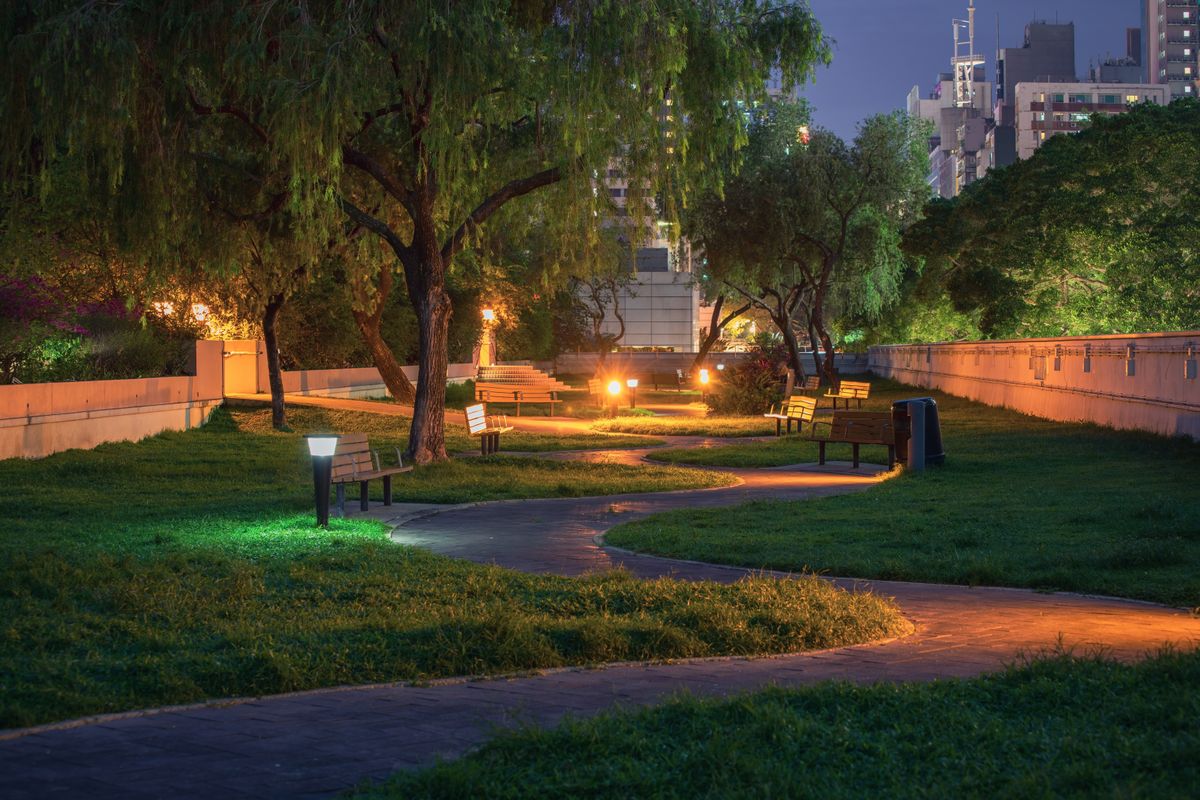
Photo by Gorma Kuma on Pexels
> Landscape Lighting Pro Tip: "Remember that sun angles shift dramatically between summer and winter across North America. A garden bed that receives 8 hours of direct sun in June may receive less than 4 hours in October due to lower sun arcs and extended northern shadow lines from privacy fences and rooflines. To keep your garden glowing year-round, re-evaluate shadow boundaries every spring and autumn, shifting your solar firefly stakes 2 to 3 feet forward into open sun zones as seasons change."
Frequently Asked Questions: Placement & Sunlight Mapping
How many hours of direct sunlight do solar firefly lights need?
They require 6 to 8 hours of direct, unshaded sunlight daily to reach a complete battery charge, yielding roughly 8 to 10 hours of warm nighttime illumination.
Can I place solar firefly lights under trees or heavy garden shrubs?
Placing panels directly beneath dense tree canopies or large shrub leaves causes partial shade that reduces charging efficiency by up to 70%. We recommend staking lights along outer canopy drip lines.
Will porch lights or streetlights interfere with my firefly lights?
Yes. The automatic dusk-to-dawn light sensor detects ambient brightness. Bright nearby artificial lights can trick the internal sensor into believing it is still daytime, preventing lights from turning on.
How much space should I leave around the stems for swaying?
Maintain an 8 to 12-inch open radius around the stem bundle. This allows breeze movement to create a natural, swaying firefly effect without stems catching on fence boards or heavy foliage.
How do I adjust light placement when seasons change from summer to winter?
As the winter sun drops lower in the sky, northern shadows cast by fences and houses grow significantly longer. Move your garden stakes several feet forward into unshaded lawn areas to preserve direct sunlight exposure.
Find quick answers to common questions about optimizing solar firefly light installation and sensor functionality.
Recommended Firefly Light Packs for Your Layout
Choose the right set size for your mapped garden space. Every pack features our high-efficiency solar panel, auto dusk-to-dawn sensor, weather-ready waterproofing, and ultra-flexible swaying stems.
Step-by-Step Action Plan for Staking Your Lights
Your decision: Identify your yard's primary unshaded sunlight zones (minimum 6 hours direct sunlight daily) and measure stem sway clearance.
Do this next: Complete a 1-day sunlight map of your intended flower bed or pathway layout, then install stakes into soft, pre-moistened soil.
- Read next: Solar Firefly Light Ground Layout Guide: 4-Pack vs. 8-Pack Soil Coverage & Staking Tips
- Read next: How Solar Dusk-to-Dawn Sensors Work: A Guide to Effortless Nighttime Garden Glow
Choose the 8-Pack (64 LEDs) for broad garden beds with uninterrupted sun exposure, or the 4-Pack (32 LEDs) for compact walkway borders.
Follow these practical steps to complete your yard transformation.
Related Guides for Garden Lighting Success
Link internal cluster resources on soil prep, density spacing, and pack choices.
Cover photo by Artūras Kokorevas on Pexels.