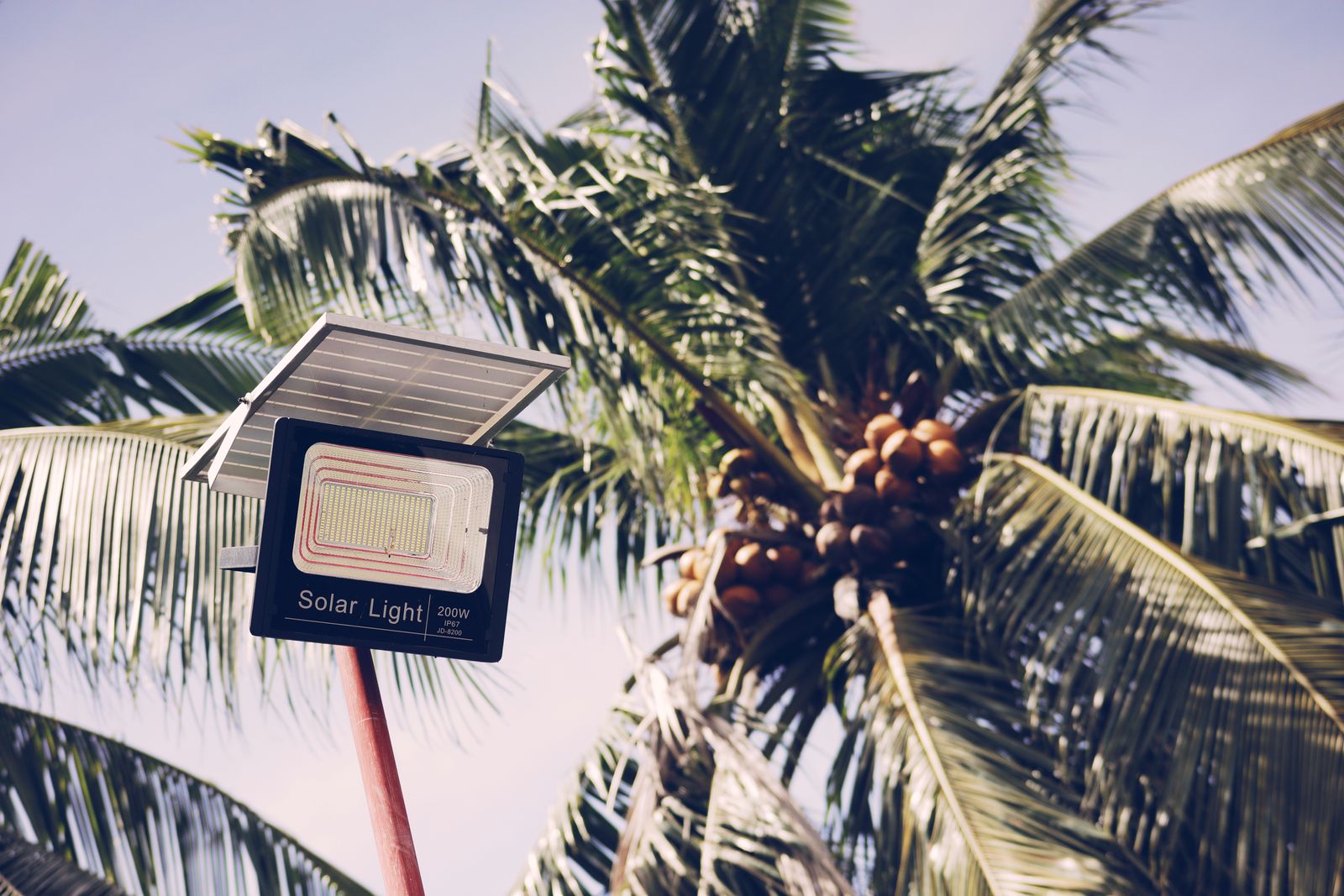
Solar Firefly Light Placement & Care: Maximize Nighttime Glow
For 8 to 10 hours of warm evening illumination, position solar firefly lights where panels receive 6 to 8 hours of direct, unshaded daily sunlight, angled 30 degrees toward the equator. Space individual stakes 12 to 18 inches apart and fan flexible stems outward in a 360-degree radius at 45-degree angles to capture natural breezes.
Essential Solar Firefly Placement & Care Highlights
Solar Firefly Light Installation & Placement Checklist
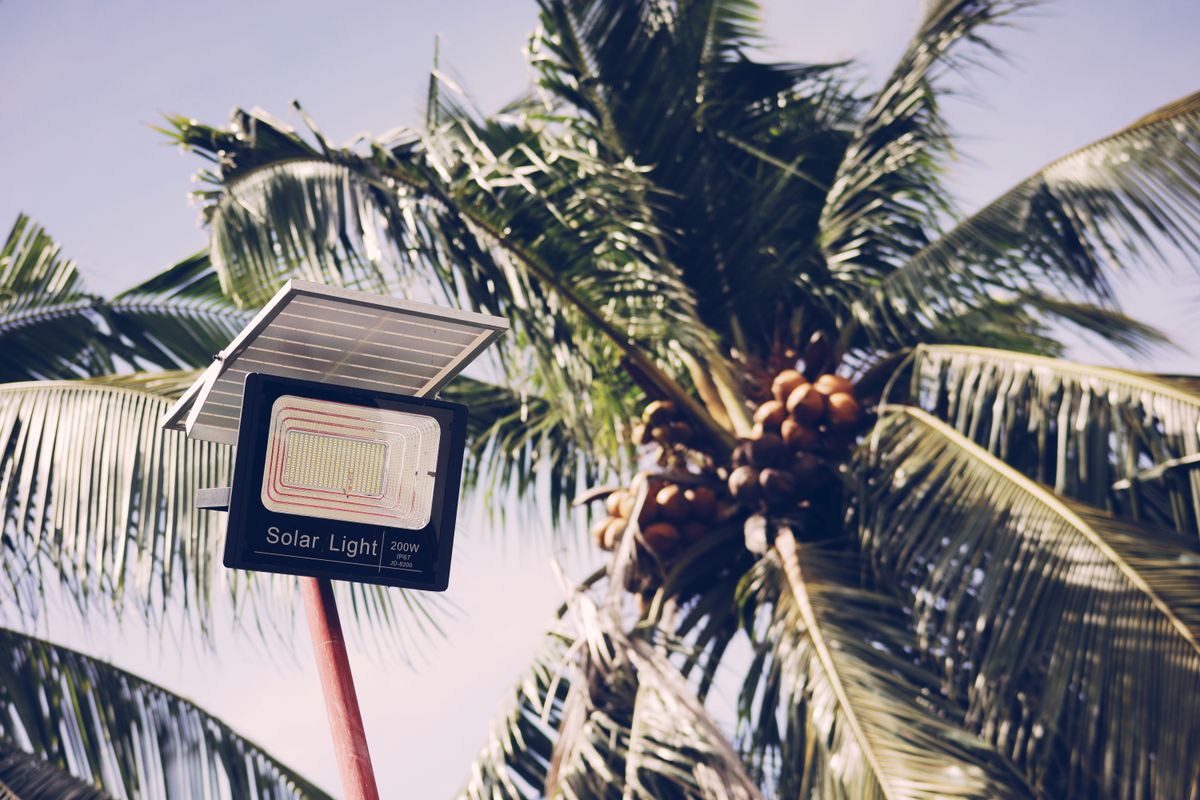
Photo by Nothing Ahead on Pexels
- Audit garden layout for 6-8 hours of direct, unshaded sunlight between 10 AM and 4 PM.
- Ensure stakes are placed at least 10 feet away from bright artificial light sources (porch lights, street lamps).
- Insert ground stake firmly into soft soil until stable, taking care not to force panel mechanisms.
- Gently fan flexible stems outward in a 360-degree radius at approximately 45-degree angles.
- Maintain 12 to 18 inches of space between individual stakes for realistic, un-cluttered firefly effects.
- Wipe solar collector lens clean with a microfiber cloth to remove dust or packing residue.
Printable Quick-Reference Care Sheet
- Sunlight Requirement: 6 to 8 hours direct sun (South or Southwest panel orientation).
- Stake Spacing: 12 to 18 inches between light centers.
- Stem Shaping: Radial 45-degree fan outward for wind capture.
- Lens Cleaning: Microfiber cloth + warm soapy water every 3–4 weeks.
- Winter Care: Wipe clean and store indoors when ground freezes solid below 20°F (-6°C).
Pro Tip: Fanning Flexible Stems for Natural Swaying Motion
Never leave your solar firefly lights bundled tightly as they arrived in the box. Factory packaging compresses the flexible stems tightly together, which makes them look rigid and prevents them from catching gentle outdoor breezes.
To achieve an ethereal, realistic firefly effect:
This radial separation creates individual air resistance for each LED cluster. Even a micro-breeze of 2 to 3 miles per hour will cause the warm glowing tips to bob and dance independently, perfectly mimicking wild fireflies hovering above your garden blossoms.
Troubleshooting Common Firefly Light Placement & Performance Issues
| Symptom | Probable Cause | Quick Solution | Preventative Practice |
| --- | --- | --- | --- |
| Lights stay on for less than 4 hours after dusk | Solar panel shaded by growing perennials or overhanging tree canopy | Relocate stake 6 to 12 inches forward toward open sun or trim back foliage | Conduct seasonal sunlight audits at 10 AM, 1 PM, and 4 PM to track tree shadows |
| LED bulbs flicker or pulse rapidly | Ambient light interference from nearby porch light or low battery voltage | Move stake 10+ feet away from artificial lights; clear solar panel to charge fully | Position solar panels facing away from direct house lighting angles |
| Stakes remain completely unlit at dusk | Power switch turned OFF, or optical sensor receiving ambient street light | Verify power switch under panel is ON; cover solar panel with hand to test light | Ensure dusk-to-dawn photo sensor is facing away from outdoor night fixtures |
| Stems appear rigid and do not sway in breeze | Stems are still tightly bundled together from factory shipping packaging | Manually fan stems outward in 360-degree circle at 45-degree angles | Re-shape stems every spring to reset flexible wire tension after winter storage |
| Solar panel lens looks cloudy, hazy, or dull | Pollen, mineral water spots, or sap buildup on solar collector glass | Wipe lens with damp microfiber cloth and mild dish soap; polish dry | Apply a monthly quick wipe with plain water to prevent sap crystallization |
If your firefly lights dim too early, flicker, or fail to sway, use this matrix to quickly identify and resolve the root cause.
Choose the Perfect Solar Firefly Light Configuration
Transform your garden path, border, or outdoor patio space with our solar-powered firefly stake lights. Designed with auto dusk-to-dawn sensors, flexible swaying stems, and warm LED bulbs.
Seasonal Maintenance Schedule for Year-Round Performance
- Spring (Setup & Unboxing) — Un-box or retrieve stakes from winter storage. Wipe solar panels with a damp microfiber cloth, ensure the rubberized power switch is ON, and fan stems outward to 45 degrees. Allow 8 full hours of direct sunlight before initial night use.
- Summer (Peak Growth & Pollen) — Inspect garden beds every 3 weeks. Trim back fast-growing perennial flower heads that cast shade over solar panels. Wipe off sticky pollen and dust accumulation using warm soapy water.
- Autumn (Leaf Fall & Declining Sun Angles) — Clear fallen leaves and twigs off solar collector lenses weekly. Adjust solar panel tilt toward the southern horizon to capture lower autumn sun trajectories.
- Winter (Freeze Protection) — When ground temperatures drop consistently below freezing (20°F / -6°C), pull ground stakes, wipe fixtures dry, and store indoors in a dry area to protect internal lithium-ion battery capacity.
5 Placement Mistakes That Drain Battery Runtime
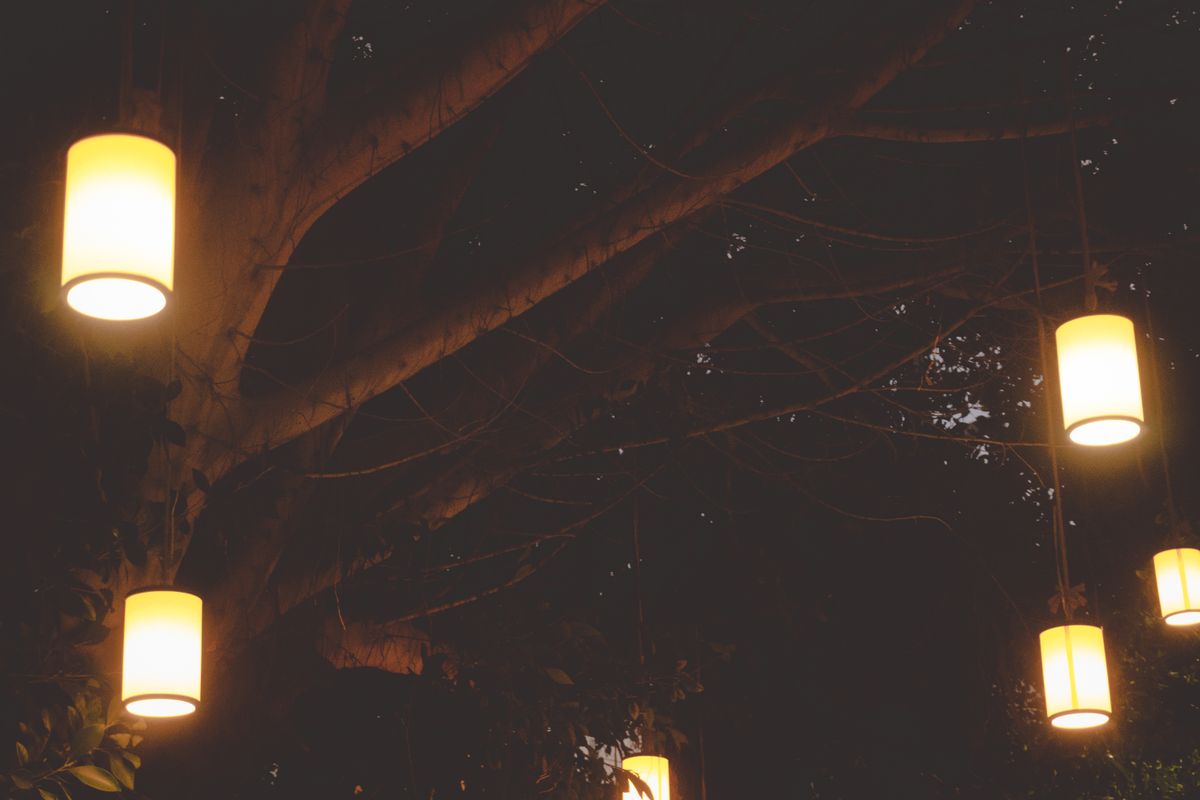
Photo by Mehmet Kaya on Pexels
Avoid these common setup errors to ensure your landscape glows reliably every evening.
24-Month Solar Panel & Battery Lifecycle Timeline
- Months 1–6 (Peak Operation) — 100% solar panel collector efficiency. Expect 8 to 10 hours of illumination on full charge. Monthly lens wiping keeps efficiency optimal.
- Months 7–12 (Seasonal Adjustment) — Minor surface weathering. Perform quarterly angle check to realign panel faces toward shifting seasonal sunlight patterns.
- Months 13–18 (Mid-Life Care) — Inspect battery compartment seals and switch boots for dirt accumulation. Clean lens thoroughly with a mild baking soda solution if slight haze forms.
- Months 19–24 (Battery Refresh) — Rechargeable AA solar batteries reach normal lifecycle maturity. Replace internal rechargeable batteries to restore full 8+ hour nightly glow.
Frequently Asked Questions About Solar Firefly Light Care
Next Steps for Your Evening Sanctuary
Your decision: Determine if your current lights require relocation for better sunlight or stem re-fanning for natural movement.
Do this next: Audit your garden at 12:00 PM and 4:00 PM to identify shifting tree shadows, wipe solar lenses with a damp microfiber cloth, and fan stems outward.
Related resource: Download our printable garden lighting maintenance cheat sheet.
Expand your lighting border with the 8-Pack (64 LEDs) for fuller, seamless evening coverage.
Expand Your Outdoor Ambient Lighting Knowledge
Link to related internal cluster and pillar articles.
Cover photo by Nothing Ahead on Pexels.