How to Extend Solar Light Battery Life: FAQ & Maintenance Guide
To extend solar light battery life from 1 to 3+ years, follow the 8:6 rule: ensure 8 hours of direct sunlight daily for 6 to 10 hours of illumination, perform an initial 48-hour switch-off deep charge, clean panel optics every 30 days, and replace 1.2V NiMH rechargeable cells every 500 charge cycles (roughly 18 to 24 months).
Key Takeaways: The 8:6 Rule & 500-Cycle Lifespan
- The 8:6 Sunlight Ratio: 8 hours of unshaded direct sunlight provides the necessary energy to run a 600mAh NiMH battery for 6–10 hours of continuous dusk-to-dawn ambient glow.
- The 500-Cycle Limit: Factory-installed 1.2V AA NiMH rechargeable batteries last 500 charge-discharge cycles (1.5 to 2 years) before holding capacity drops below 60%.
- Never Use Alkaline: Standard 1.5V alkaline AA batteries will overheat, leak corrosive potassium hydroxide, and permanently short-circuit the solar PCB module.
- 30-Day Optical Cleaning Routine: Dust, water spots, and pollen reduce solar cell efficiency by up to 30%, cutting nightly LED runtimes in half.
- The 48-Hour Deep Charge Ritual: Turn the power switch OFF for 2 full sunny days during initial unboxing or spring reactivation to maximize chemical battery memory.
Essential Solar Battery Care Checklist
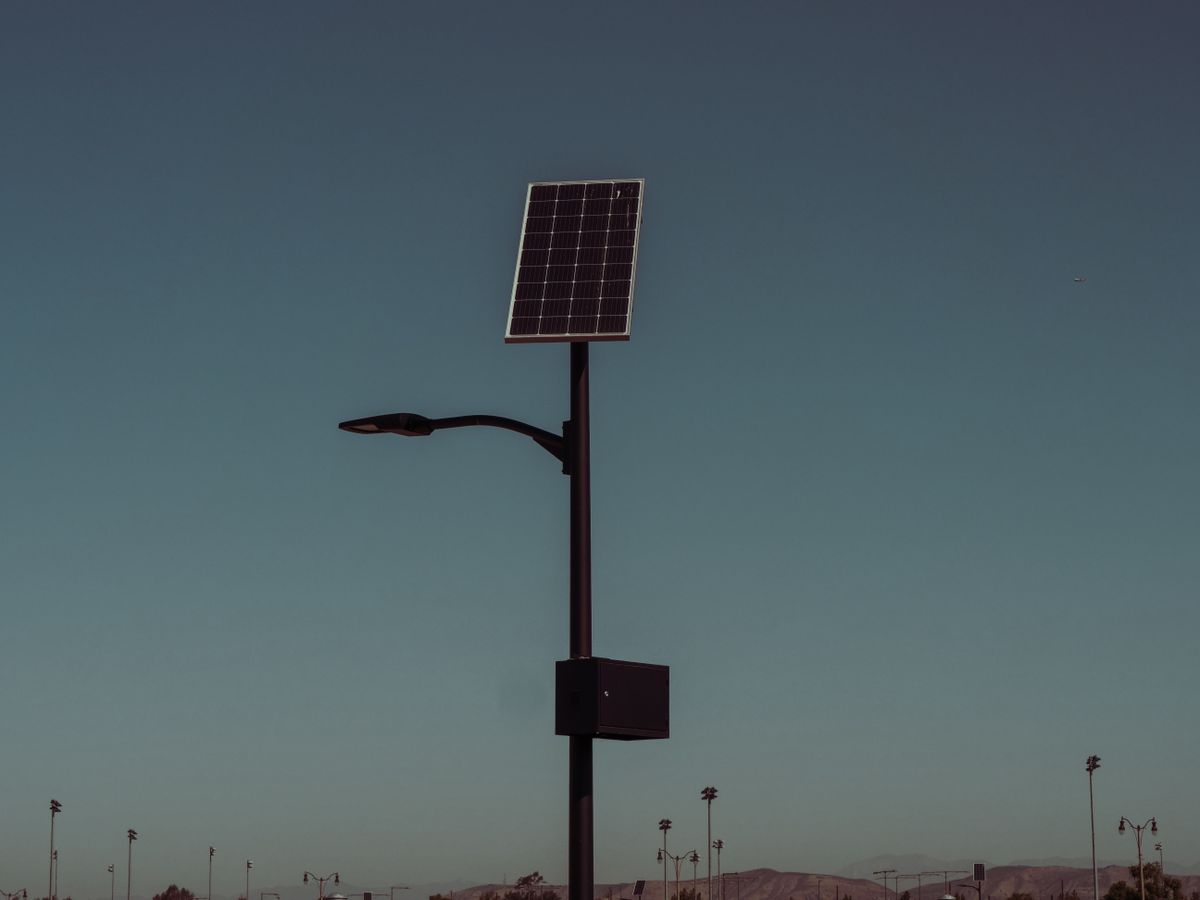
Photo by Kindel Media on Pexels
- Wipe solar panels with a soft damp microfiber cloth to remove dust, pollen, and water spots.
- Ensure surrounding foliage or garden stems have not grown over the solar panel box.
- Check battery housing seal for moisture or dirt buildup.
- Verify power switch rubber boot is intact and fully seated.
- Confirm flexible firefly stems sway freely without tangling into nearby shrubbery.
Printable Solar Light Care & Storage Card
- SPRING ACTIVATION: Install fresh 1.2V NiMH 600mAh–1200mAh batteries. Perform a 48-hour switch-off charge in direct sun before first night operation.
- SUMMER MAINTENANCE: Wipe monocrystalline solar panels with a 1:1 water-vinegar solution every 30 days to clear mineral scale and hard water spots.
- AUTUMN ADJUSTMENT: Re-angle solar panels toward the southern sky as solar elevation drops to maintain a minimum of 6 hours of direct sun exposure.
- WINTERIZATION: When ambient temperatures drop below 32°F (0°C), switch units OFF, remove rechargeable batteries, and store stakes indoors in a dry area.
Expert Tip: The 48-Hour Switch-Off Conditioning Method
When setting up new solar firefly lights or re-activating stakes after winter storage, do not leave the power switch ON during night one. Instead, turn the switch OFF and place the solar panel in direct sunlight for 2 full consecutive days (48 hours).
Leaving the switch OFF breaks the daytime-charge/nighttime-discharge loop. This allows the internal photo-sensor to bypass the circuit while the solar panel trickles voltage continuously into the 1.2V NiMH cell. This process saturates the nickel-metal hydride chemistry to 100% capacity, establishing maximum storage voltage and eliminating premature battery memory degradation.
Solar Battery Diagnostic & Troubleshooting Matrix
| Symptom | Probable Root Cause | 3-Step Corrective Action |
| --- | --- | --- |
| Lights stay lit for <2 hours | Dirty solar panel surface or degraded NiMH battery (>500 cycles) | 1. Wipe panel with damp microfiber cloth.
| LEDs flicker or flash rapidly | Loose battery contact springs or minor terminal oxidation | 1. Open waterproof battery compartment cover.
| Complete failure to illuminate at night | Light sensor obstruction, dead battery, or switch in OFF position | 1. Confirm rubber switch is flipped to ON.
| Lights illuminate during daytime hours | Solar panel shaded or heavily soiled, triggering dark-state sensor | 1. Move stake out from under heavy tree canopy or porch eaves.
If your firefly lights turn off early, flicker, or fail to light up at dusk, use this diagnostic matrix to identify and fix the issue.
Technical Specifications: Solar Panels & NiMH Battery Chemistry
| Component / Parameter | 4-Pack Solar Firefly Stake System | 8-Pack Solar Firefly Stake System |
| --- | --- | --- |
| Total Warm White LED Bulbs | 32 LEDs (8 LEDs per stem stake) | 64 LEDs (8 LEDs per stem stake) |
| Solar Panel Type | Monocrystalline Silicon (2V / 120mA) | High-Efficiency Monocrystalline (2V / 120mA) |
| Internal Battery Chemistry | 1.2V AA NiMH 600mAh Rechargeable | 1.2V AA NiMH 600mAh–800mAh Rechargeable |
| Expected Battery Lifespan | 500 Charge-Discharge Cycles (1.5–2 Yrs) | 500 Charge-Discharge Cycles (1.5–2 Yrs) |
| Weatherproofing Rating | IP65 Sealed Waterproofing | IP65 Sealed Waterproofing |
| Full Charge Sun Requirement | 6 to 8 Hours Direct Sunlight | 6 to 8 Hours Direct Sunlight |
| Nightly Illumination Duration | 8 to 10 Hours (Full Charge) | 8 to 10 Hours (Full Charge) |
Understanding the electrical specifications of your outdoor solar stakes ensures correct component replacement and optimal night performance.
Recommended Solar Firefly Light Systems
Enhance your walkway, patio, or flower bed with our wind-swaying, eco-friendly solar garden stakes equipped with factory-fresh 1.2V NiMH rechargeable cells.
Ready to transform your outdoor space with effortless, fairy-like ambiance? Explore our complete collection of weather-ready outdoor lights at https://solarfireflylights.com.
Seasonal Solar Light Maintenance Schedule
- Spring (March – May) — Unpack stakes from storage. Clean solar panels, inspect rubber switch boots, install fresh 1.2V NiMH cells if older than 2 years, and perform a 48-hour switch-off charge in direct sunlight.
- Summer (June – August) — Wipe panels every 30 days with a damp microfiber cloth to remove pollen, dust, and hard water spots. Prune back fast-growing garden plants or flowers that shadow the solar panel box.
- Autumn (September – November) — Clear fallen leaves and twigs off solar panels weekly. Re-angle solar panels toward south-facing sky positions to catch declining solar elevation angles.
- Winter (December – February) — In regions freezing below 32°F (0°C), turn power switches OFF, remove rechargeable NiMH batteries to prevent electrolyte freezing, and store stakes indoors until spring thaw.
Side-by-Side: Rechargeable NiMH vs. Standard Alkaline Batteries
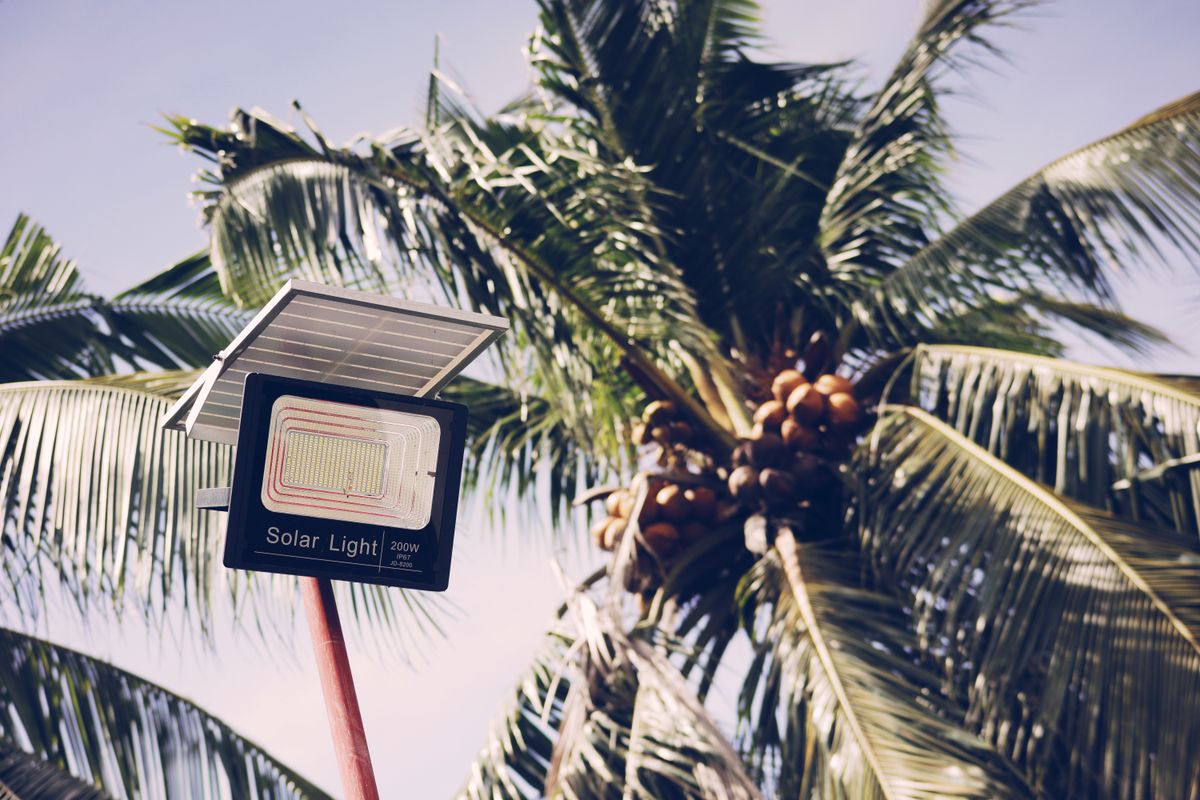
Photo by Nothing Ahead on Pexels
| Performance Feature | Rechargeable NiMH (1.2V) | Rechargeable NiCd (1.2V) | Standard Alkaline (1.5V) |
| --- | --- | --- | --- |
| Solar Circuit Compatibility | 100% Compatible (Safe) | Compatible (Legacy Chem) | DANGER: DO NOT USE |
| Nominal Cell Voltage | 1.2 Volts DC | 1.2 Volts DC | 1.5 Volts DC (Overvolt) |
| Recharge Cycle Capability | 500 to 1,000 Cycles | 300 to 500 Cycles | 0 Cycles (Non-Rechargeable) |
| Battery Memory Effect | Very Low Memory | High Memory Effect | Not Applicable |
| Acid / Chemical Leakage Risk | Extremely Low | Moderate | HIGH: Will rupture & corrode PCB |
| Eco-Friendliness & Safety | Non-Toxic / Recyclable | Contains Toxic Cadmium | Single-Use Landfill Waste |
Never install non-rechargeable standard batteries inside a solar light stake. Review this side-by-side battery chemistry comparison to prevent catastrophic circuit board failure.
3 Critical Mistakes That Destroy Solar Light Batteries
Avoid these three frequent setup and operational errors to ensure your solar firefly stakes remain bright and operational for years to come.
The 24-Month Solar Battery Lifespan Progression
- Months 1 – 6 (0–180 Cycles) — Peak Performance: Battery operates at 100% capacity (600mAh). Yields 8 to 10 hours of bright, steady illumination on a full 8-hour solar charge.
- Months 7 – 12 (181–365 Cycles) — Optimal Health: Holding capacity drops slightly to ~90%. Nightly illumination remains stable at 7 to 9 hours. Routine 30-day panel wipes keep charging efficiency high.
- Months 13 – 18 (366–500 Cycles) — Moderate Wear: Battery capacity drops to ~75%. Runtimes average 5 to 7 hours. Perform a 48-hour switch-off deep charge if lights dim early.
- Months 19 – 24 (500+ Cycles) — Replacement Window: Cell capacity drops below 60%. Runtimes shorten to <4 hours. Swap out the internal 1.2V AA NiMH cell with a fresh 600mAh–1200mAh unit to restore original glow.
Frequently Asked Questions About Solar Light Battery Care
Can I put regular AA alkaline batteries in my solar firefly lights in a pinch?
NO. Absolutely never insert standard alkaline 1.5V batteries into a solar light. Alkaline batteries are non-rechargeable. When the solar panel attempts to push charging current into an alkaline battery, the cell will overheat, rupture, leak corrosive acid, and permanently destroy the solar stake's circuit board.
How do I clean stubborn hard water spots or tree sap off my solar light panels?
Wipe the glass panel face using a soft microfiber cloth dampened with a 1:1 mixture of warm distilled water and white vinegar to dissolve mineral scale and hard water deposits. For sticky tree sap, apply a single drop of mild dish soap to a damp cloth. Never use abrasive scrubbers or harsh chemical solvents that scratch the protective optical coating.
How many years do rechargeable batteries in solar garden stakes usually last?
Standard 1.2V AA NiMH rechargeable batteries last approximately 1.5 to 2 years (about 500 charge-discharge cycles) under daily outdoor operation. Once the battery's energy retention drops below 60%, replace the internal NiMH cell to restore 8 to 10 hours of nightly illumination.
Do solar light batteries charge on cloudy or rainy days?
Yes. Monocrystalline solar panels charge on overcast or rainy days using ambient diffuse sunlight, but at a reduced efficiency rate (roughly 30% to 50% of peak capacity). Expect shorter nighttime runtimes (3 to 5 hours instead of 8 to 10 hours) following heavily overcast days.
Should I turn the power switch off while charging new batteries for the first time?
Yes. Turn the power switch OFF for the first 24 to 48 hours in direct sunlight. This allows the rechargeable battery to reach 100% chemical saturation without discharging power into the warm LEDs at night, establishing optimal storage capacity and battery health.
Related Solar Garden Care Guides
Expand your knowledge on ambient outdoor lighting care, troubleshooting, and winter preparation with these specialized guides:
- How to Clean Outdoor Solar Light Panels for Maximum Year-Round Glow
- Why Are Solar Garden Lights Dim in Winter? Troubleshooting & Sunlight Optimization
- How to Winterize Solar Firefly Lights: Off-Season Storage & Care Guide
- Protecting Outdoor Solar Lights During Heavy Rain and Severe Weather
Immediate Action Plan for Your Solar Lights
Your decision: Determine whether your solar firefly light batteries require a simple 48-hour reconditioning charge, optical panel cleaning, or standard 1.2V NiMH cell replacement.
Do this next: Clean your solar panels with a damp microfiber cloth today, turn the power switch OFF for 48 hours while leaving the solar panel in direct sunlight to deep-charge the battery, and test runtime on night three.
- Read next: How to Clean Outdoor Solar Light Panels for Maximum Year-Round Glow
- Read next: How to Winterize Solar Firefly Lights: Off-Season Storage & Care Guide
If your garden stakes are over 2 years old and stems show outdoor wear, consider refreshing your landscape with our 8-Pack Solar Firefly Lights (64 Warm LEDs) equipped with pre-installed fresh NiMH batteries.
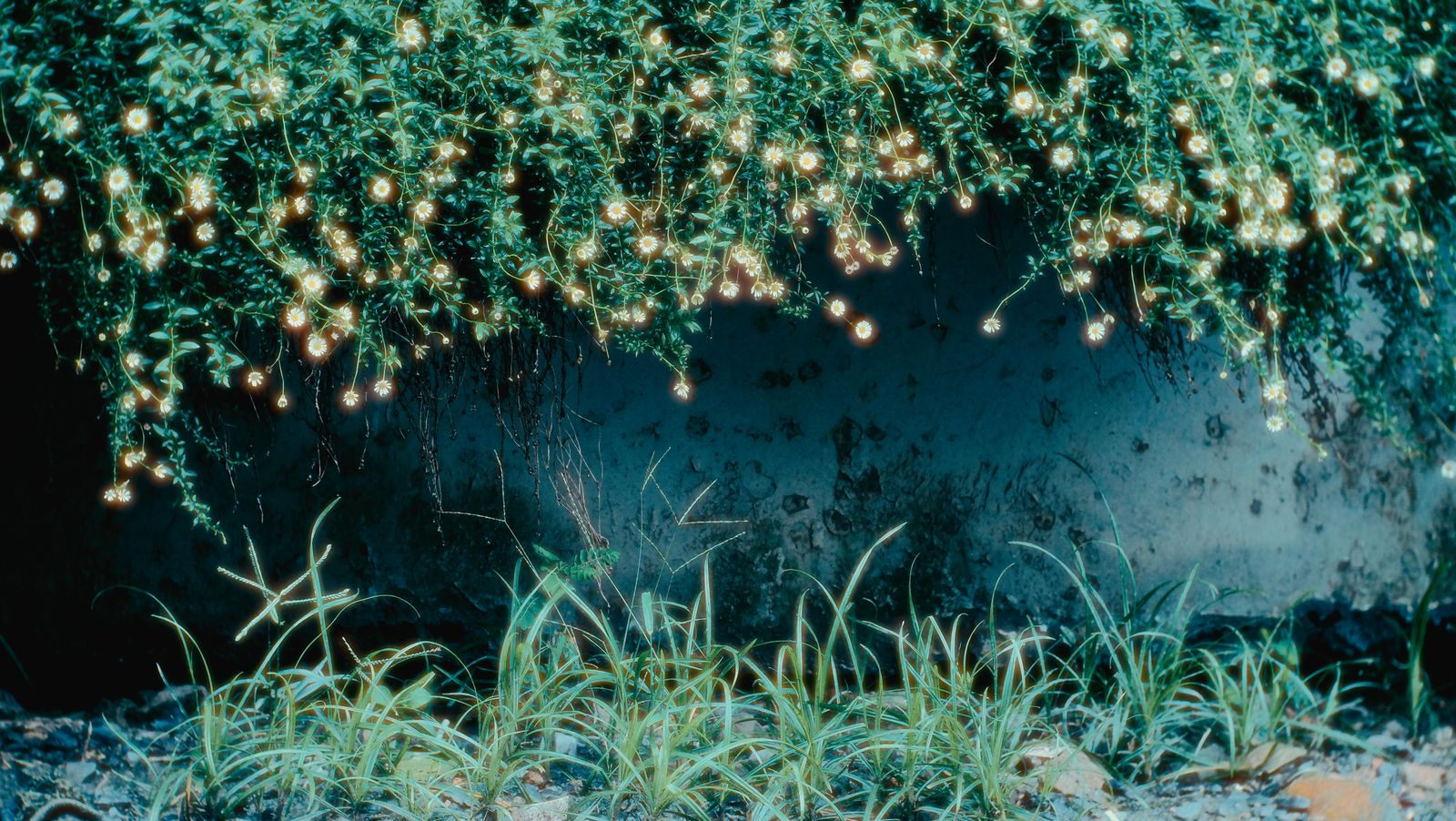
Cover photo by Nguyễn Hoàng Văn on Pexels.