
How to Place Solar Firefly Lights in Flower Beds: Staging & Care Guide
Follow the 4-inch canopy clearance rule and 6-inch anchor depth rule: elevate solar panels at least 4 inches above mature plant foliage and drive stakes 6 inches into firm topsoil beneath mulch. Maintain a 6-inch sway radius around flexible stems to ensure 360-degree natural movement while securing 6+ hours of direct daylight.
Key Takeaways for Flower Bed Staging
- Elevation Metric: Keep solar panels 4 inches higher than surrounding plant leaves to prevent shadow blockage.
- Anchoring Metric: Drive stakes 6 inches into solid earth under organic mulch layers to eliminate leaning.
- Sway Clearance: Allow a 6-inch open radial bubble around flexible stems so warm LED bulbs bounce freely without snagging on stems or blossoms.
- Sunlight Intake: Position panels facing south or southwest to capture 6 to 8 hours of unfiltered sunlight daily.
- Splash Prevention: Install a 3-inch ring of pea gravel around the stake base to cushion rain drops and stop mud coating the solar cells.
Step-by-Step Flower Bed Placement Checklist
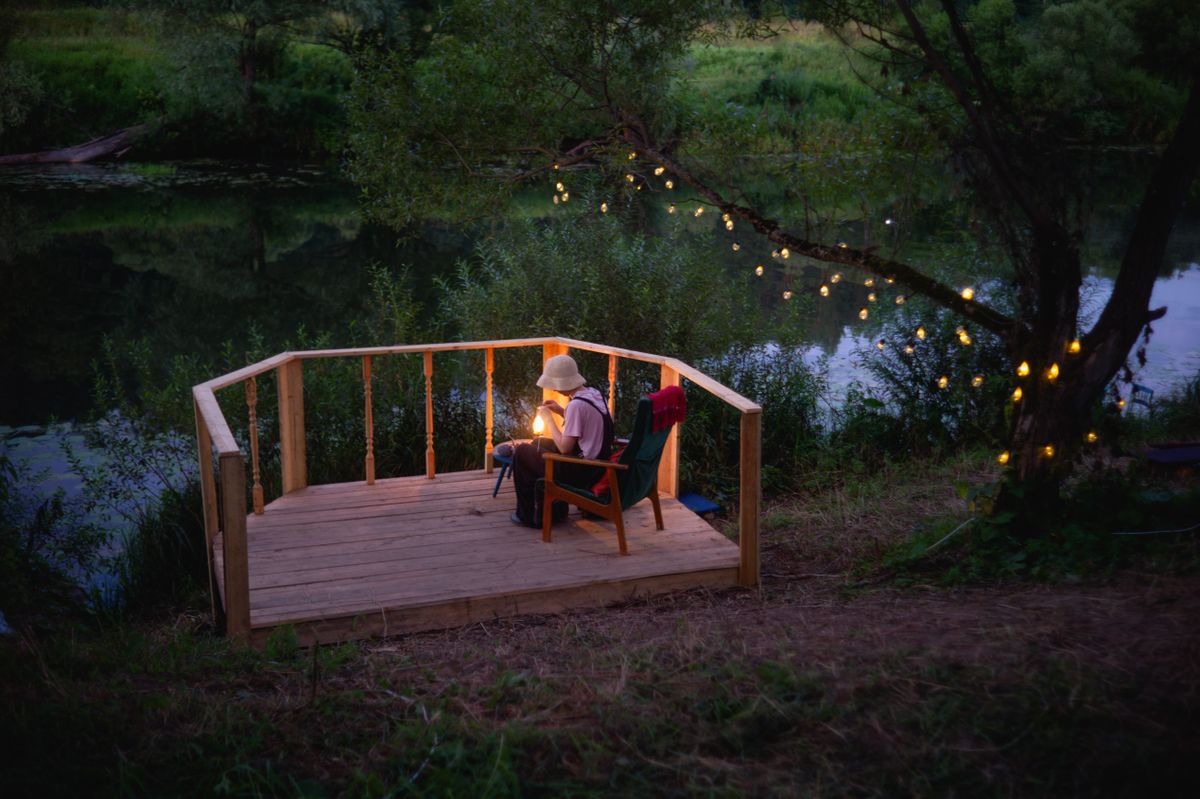
Photo by Daniil Ustinov on Pexels
- Push aside top layer of mulch to reveal firm topsoil beneath.
- Drive the ground stake 6 inches deep into solid earth to prevent leaning.
- Verify that solar panels sit at least 4 inches higher than surrounding plant foliage.
- Ensure a 6-inch clear radius around flexible stems so bulbs sway freely without snagging on leaves.
- Angle solar panels towards the south or southwest to capture 6+ hours of unshaded sunlight.
- Wipe dirt or irrigation water spots off solar collectors using a damp microfiber cloth.
Pocket Checklist: Quick Seasonal Flower Bed Placement Rules
- Rule 1: Anchor ground stake 6 inches into firm sub-mulch soil.
- Rule 2: Maintain 4 inches of clearance above the highest surrounding leaf canopy.
- Rule 3: Keep 6 inches of radial clearance around stems for breeze motion.
- Rule 4: Target 18 to 24 inches of distance between light clusters.
- Rule 5: Maintain a 3-inch pea gravel ring at base to block mud splash.
Master Gardener Tip: Managing the Mid-Summer Perennial Surge
Fast-growing mid-summer perennials like salvia, echinacea, and daylilies can double their canopy height between May and July. When flower foliage grows past your solar collector height, do not sink the stake shallower to gain height—doing so weakens stake stability in wind. Instead, relocate the fixture 6 to 8 inches toward the flower bed border where plant canopies are naturally lower, or raise the solar panel assembly up along the upper stake adjustment joint while keeping the base anchored 6 inches deep in soil.
Side-by-Side Troubleshooting Matrix: Flower Bed Lighting Challenges
| Symptom | Flower Bed Environmental Cause | Side-by-Side Diagnostic & Corrective Action |
| --- | --- | --- |
| Short runtime (<3 hours at night) | Adjacent broad-leaf foliage (hostas, hydrangeas) casts shadows on solar collector. | Elevate stake so panel clears canopy by 4 inches, or shift stake 8 inches toward sunlit edge. |
| Stems stiff or immobile in breeze | Dense branches or flower stems are entwined with the flexible light stalks. | Prune back surrounding growth to establish a clear 6-inch radial sway bubble. |
| Fixture leans or falls over | Stake anchored only in loose 2 to 3 inch organic mulch, lacking sub-soil grip. | Clear mulch aside and drive stake 6 inches into compacted subsoil beneath. |
| Dim or flickering LED glow | Mud splashback or hard-water mineral film coating top optical solar panel. | Clean panel with a 1:1 warm water and distilled white vinegar microfiber wipe. |
Diagnose installation and performance issues in your garden beds by comparing symptoms with environmental root causes.
Flower Bed Cross-Section: Anatomy of Perfect Stake Placement
The diagram below illustrates the exact depth, clearance, and sway zones required for staging solar firefly stakes inside multi-layer flower beds.
Selecting the Right Pack Size for Flower Bed Density
Achieve full, magical night illumination by selecting the appropriate cluster configuration for your garden layout.
Seasonal Flower Bed Lighting Maintenance Schedule
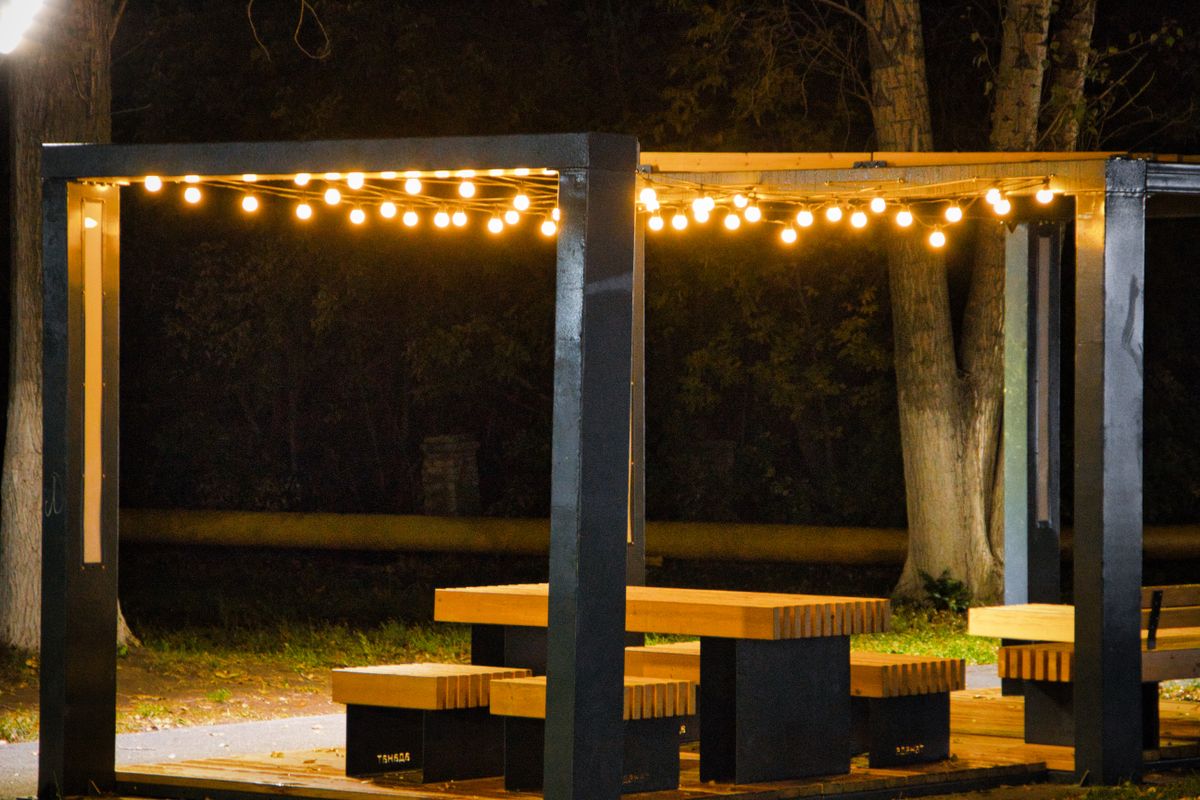
Photo by Кирилл Абрамов on Pexels
- Early Spring (April - May) — Clear winter debris, push back fresh mulch, and anchor stakes 6 inches deep into moist topsoil before foliage emerges.
- Mid-Summer (June - August) — Inspect plant growth. Prune aggressive foliage around stems to maintain a 6-inch sway radius and adjust solar panel height to clear leaves by 4 inches.
- Late Autumn (September - November) — Wipe down solar panels to remove falling leaves, tree sap, and dust. Re-tighten ground stakes after heavy rain.
5 Critical Placement Errors That Ruin Your Firefly Glow
Avoid these frequent mistakes when staging firefly lights in flower beds:
The 3-Season Flower Bed Adjustment Timeline
- Month 1 (Spring Planting) — Drive ground stakes 6 inches into raw topsoil. Position solar panel facing south with uninhibited sky access.
- Month 3 (Mid-Summer Growth Peak) — Measure surrounding plant height. Raise panel assembly or shift stake 6-8 inches if foliage shadows the collector.
- Month 6 (Autumn Dieback) — Clean panels with vinegar solution, check water seals, and trim dead foliage back to maintain 6-inch stem sway clearance.
Frequently Asked Questions About Flower Bed Solar Lights
Find solutions to common placement and maintenance questions for garden flower beds.
What to Do Next for Your Garden Ambience
Your decision: Determine your flower bed canopy height and soil depth before installing your stakes.
Do this next: Measure surrounding plant height, clear a 6-inch sway radius, and anchor stakes 6 inches deep into underlying soil.
- Read next: Troubleshooting Solar Firefly Lights in Dense Flower Beds and Shaded Shrubs
- Read next: How to Prepare Hard or Clay Soil for Solar Firefly Garden Stakes
Bring full nighttime magic to your flower beds with the Solar Firefly Lights 8-Pack for 64 warm swaying LEDs.
Ready to bring a warm, dancing firefly glow to your outdoor beds? Start by measuring your plant heights and determining whether a 4-pack or 8-pack best suits your garden layout.
Explore Related Landscape Lighting Guides
Provide internal navigation links to relevant cluster guides.
Cover photo by Myco Libot on Pexels.