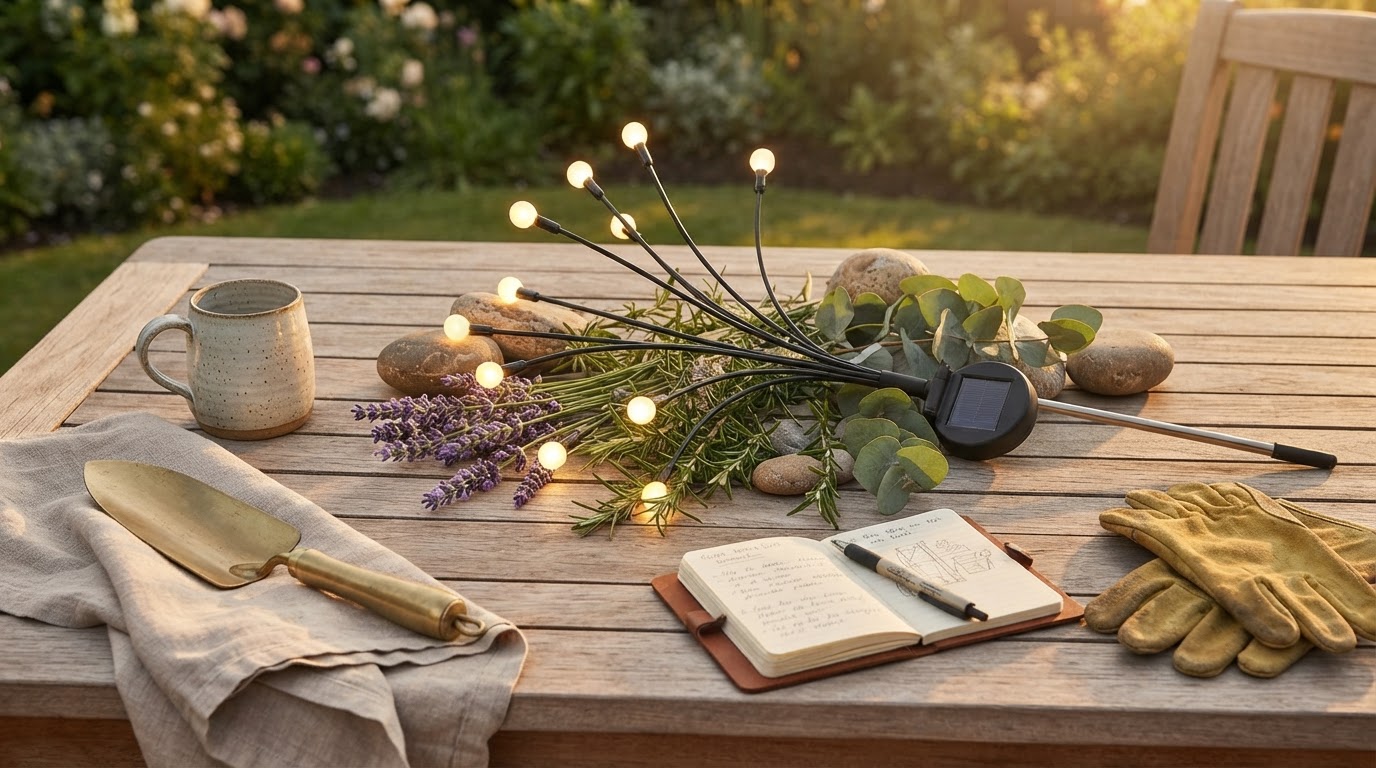
Enhancing Natural Landscaping with Solar Firefly Lights
 Priya RamanSenior Analyst
October 17, 2026. This analysis explores the technical and aesthetic considerations of solar swaying garden lights to help homeowners choose the right illumination for their outdoor spaces. It is intended for consumers seeking a balance between energy efficiency and organic garden design. Think of it as a matrix of motion and durability; when selecting outdoor lighting, two axes matter here: the mechanical responsiveness to wind and the resilience of the solar conversion unit.
The Evolution of Kinetic Garden Illumination
Traditional landscape lighting has historically focused on static illumination—fixed spotlights or rigid path markers that provide safety but lack the dynamic quality of a living garden. The emergence of solar swaying garden lights represents a shift toward biomimetic design, where the lighting fixture mimics the movement of natural flora. According to Etsy, there is a growing market for these waterproof, handcrafted designs that range from whimsical fairy motifs to sophisticated starburst patterns. This trend reflects a broader consumer desire for "wind dancing" aesthetics that interact with the environment rather than just sitting on top of it. However, the problem many homeowners face is the fragility of generic solar stakes. Many low-cost options fail to provide the necessary flexibility in the stems, leading to snapping during high winds or a total lack of movement in light breezes. Furthermore, the integration of solar powered wheat ears light designs into a cohesive landscape requires an understanding of how different heights and densities affect the visual "sway" of the garden at night. Without a structured approach to placement, the effect can appear cluttered rather than ethereal.
Technical Specifications of Solar Firefly Lights
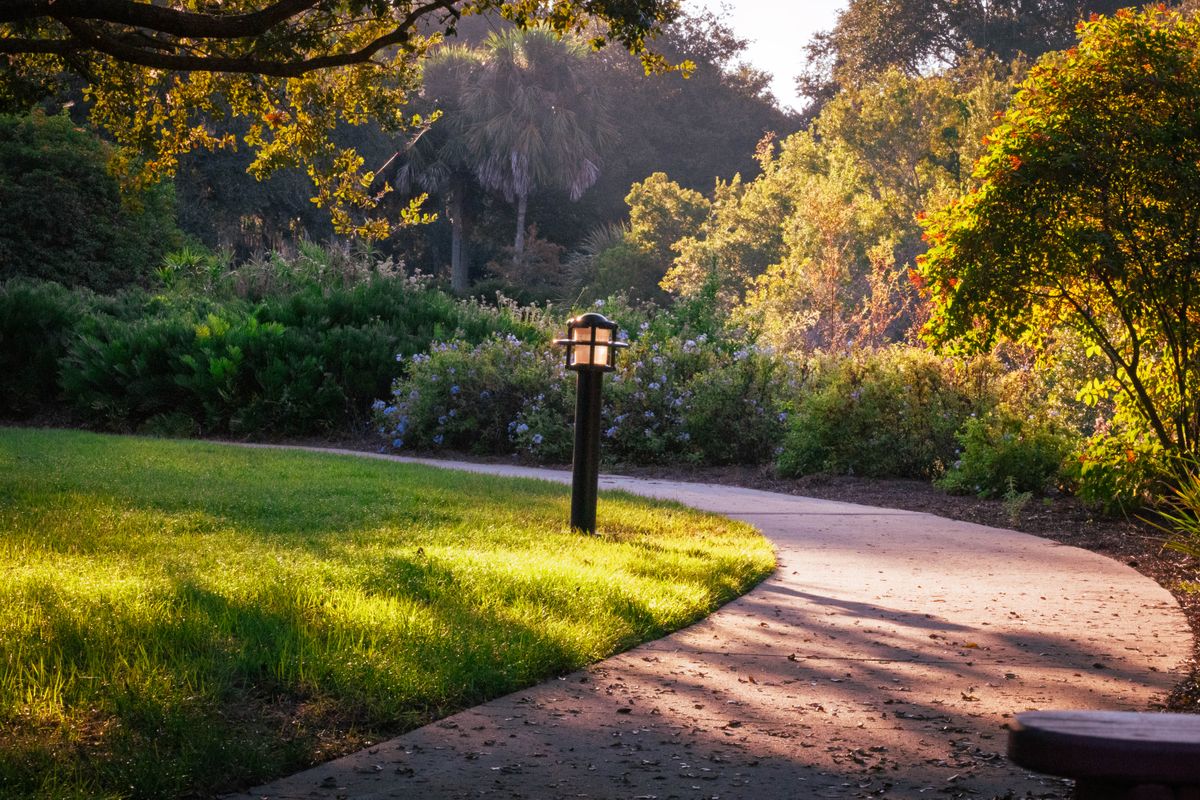
Photo by Kim Lawrie on Pexels
Solar Firefly Lights are engineered to address the specific mechanical requirements of kinetic lighting. Unlike standard static LED stakes, these units utilize a specialized flexible wire system that allows for a 360-degree range of motion. This design ensures that the lights act as [solar lights that move in wind](/blog/solar-lights-that-move-in-wind), capturing even low-velocity air currents to create the signature firefly effect. The internal components are housed in high-impact, waterproof casings, which are essential for maintaining functionality during inclement weather. The power system relies on high-efficiency monocrystalline solar panels that charge an internal battery during daylight hours, providing up to 8-12 hours of illumination on a full charge. When compared to other market options, such as the Luma Solar Swaying Garden Lights cited by Kiyo Home, which feature 8 warm-white bulbs, the Solar Firefly Lights ecosystem offers a variety of configurations including the popular solar starburst swaying lights and solar starburst swaying lights variations. The decision rule for homeowners often comes down to the density of the bulbs; a higher bulb count per stake creates a more dramatic cluster effect, while a lower count mimics the sparse, natural distribution of real fireflies. Once you see it this way, the choice becomes about the specific atmospheric goal of the landscape project.
A Framework for Selecting Swaying Garden Decor
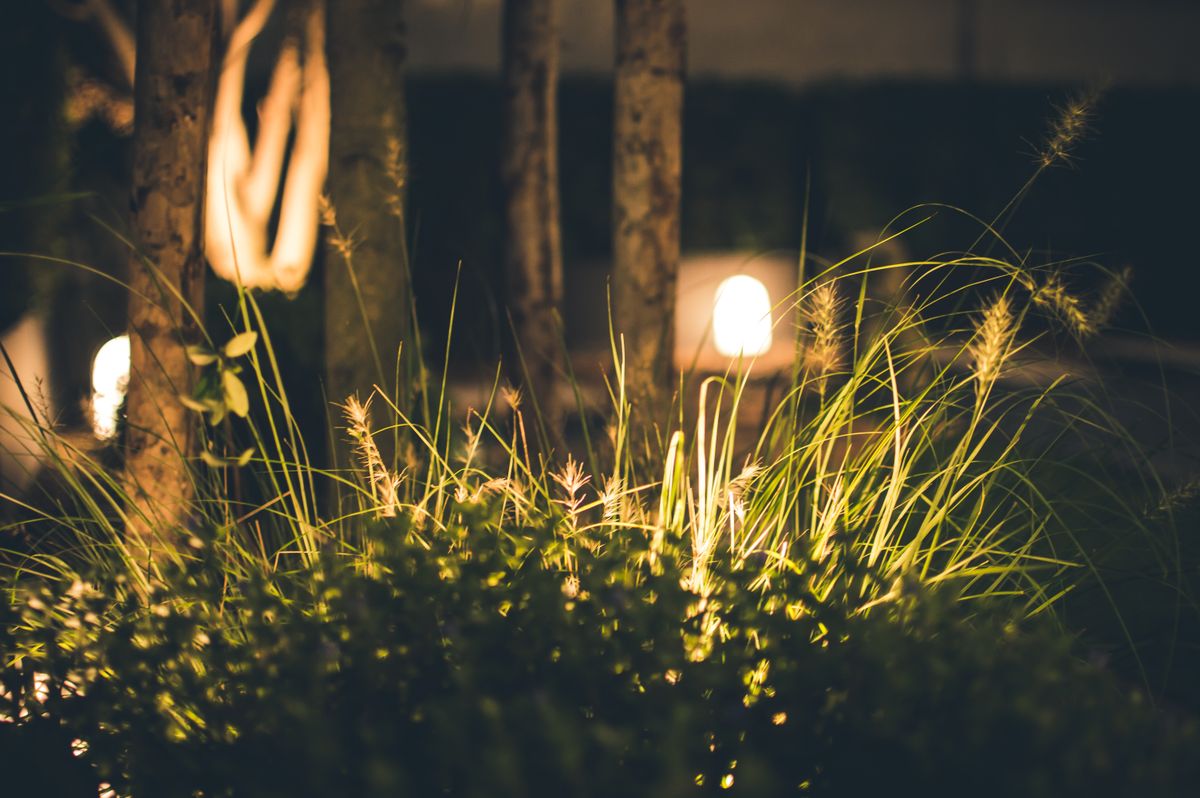
Photo by suzukii xingfu on Pexels
When evaluating solar swaying garden lights for a specific property, the decision should be based on three dimensions: environmental exposure, desired light density, and mounting height. It is important to consider how solar starburst swaying lights will interact with existing shrubbery. For instance, taller grass-like fixtures like the solar powered wheat ears light should be placed in the mid-ground of a garden bed to avoid being overshadowed by larger bushes. To ensure long-term satisfaction and performance, use the following checklist during the procurement process:
- Verify the IP65 or higher waterproof rating to ensure the units can withstand heavy rain and irrigation systems.
- Check the flexibility of the support stems; they should be pliable enough to move in a light breeze but rigid enough to return to center.
- Assess the solar panel surface area relative to the number of LED bulbs to ensure adequate charging capacity.
- Determine if the light temperature (measured in Kelvin) matches your existing outdoor lighting to maintain visual consistency.
- Evaluate the stake material for corrosion resistance, especially if the lights will be placed in acidic soil or near coastal salt spray.
- Confirm the battery type and whether it is user-replaceable to extend the lifespan of the fixture beyond the initial battery cycles.
Shop Solar Firefly Lights here