Maintaining Solar Firefly Lights in Harsh Outdoor Weather
 Jordan HaleStaff Writer
October 25, 2026. This guide explores the engineering behind waterproof solar firefly garden lights and how they survive year-round exposure. It is written for homeowners seeking reliable, weather-resistant landscape accents that don't require constant maintenance.
I remember the first time I set these up just before a late-autumn storm. The wind was whipping through the oak trees, and the air had that heavy, metallic scent of incoming rain. Most decorative stakes feel like flimsy plastic in your hand, but these had a surprising weight to them. I watched from the window as the downpour started, expecting the glowing heads to flicker or short out. Instead, they just danced. According to Nature's Way Bird Products, quality outdoor solar garden firefly lights are designed with premium, weather-resistant materials to withstand not just rain, but wind and snow for year-round use. The problem most gardeners face isn't just the water itself, but the slow degradation caused by moisture seeping into the battery compartment. Traditional fairy lights often fail because their seals aren't tight enough to handle the expansion and contraction that happens when temperatures shift. When you are planning a large-scale event, such as using solar firefly lights bulk for wedding arrangements, the last thing you want is a sudden drizzle ruining the atmosphere. The vulnerability of outdoor electronics is a constant battle against oxidation and corrosion, which can turn a beautiful garden display into a collection of dead plastic stakes in a single season.
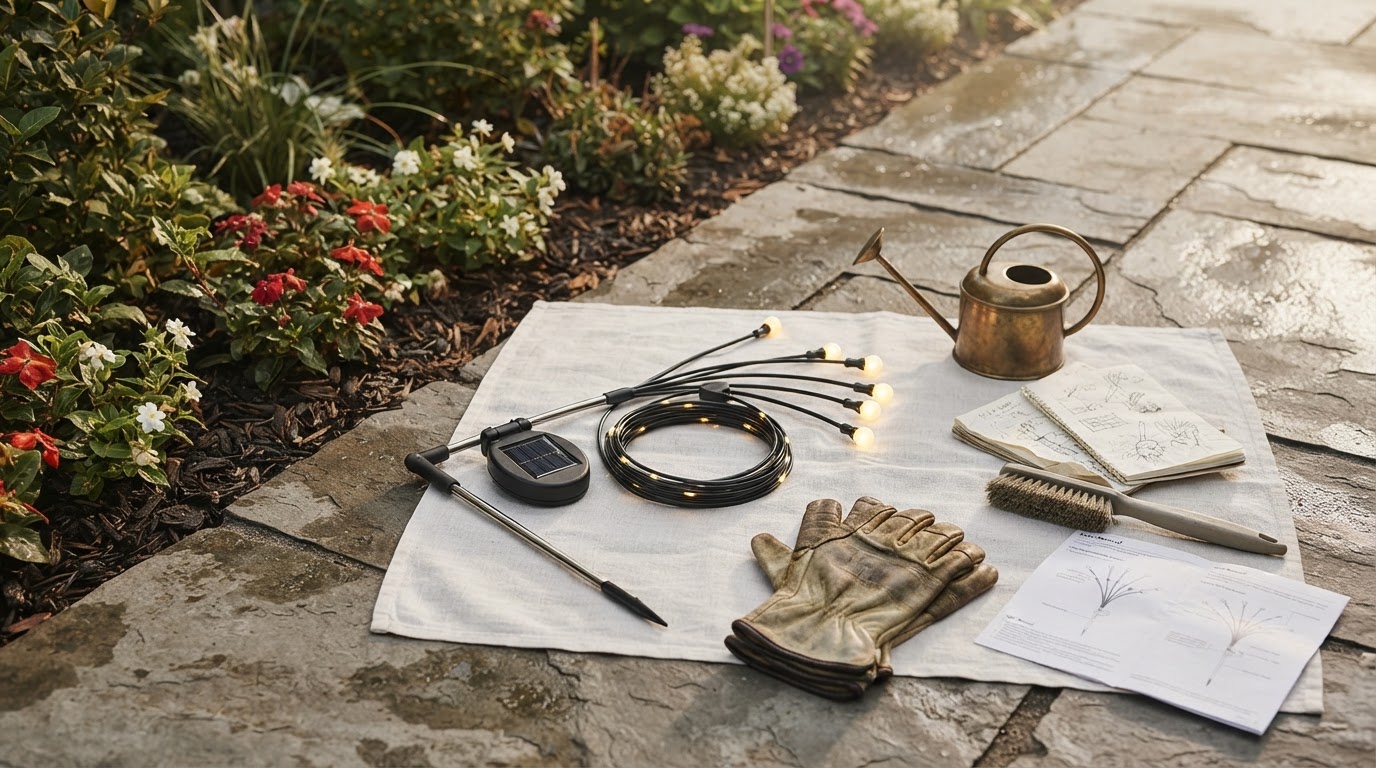
The first thing I noticed was the construction of the Solar Firefly Lights housing. It turns out that the secret to their resilience lies in the IP65 rating. As noted by Sunco Lighting, an IP65 splashproof rating ensures that firefly garden lights hold up against mother nature while the dust-tight construction keeps internal components clean. The materials used here—primarily high-quality ABS and stainless steel—don't just resist water; they prevent the sun's UV rays from making the stems brittle. This is particularly important for the "swaying" mechanism. For the lights to move naturally in the breeze, the wires must remain flexible without snapping. When I installed a set of firefly bunch lights solar powered versions in my flower beds, I was impressed by how the internal wiring was encased in a protective sleeve that didn't stiffen in the cold. These units use a dusk-to-dawn photocell, which is also sealed behind a clear, waterproof membrane. This means the sensor won't get clouded by condensation, a common issue that causes cheaper lights to stay on during the day or fail to trigger at night. The durability extends to the solar panel itself, which is topped with a tempered film rather than cheap plastic, ensuring that rain actually helps wash away dust rather than scratching the surface.
Somewhere around week two of a particularly wet spring, I realized I hadn't touched the lights once. They simply kept performing. If you are deciding which units will best serve your landscape, you need a framework for evaluating the build quality beyond just the aesthetic glow. It is helpful to look for specific mechanical markers that indicate a light can handle the elements. When you are looking to buy solar firefly lights bulk for wedding festivities or long-term garden use, check the thickness of the swaying stems; they should feel like spring steel, not soft wire. If you prefer the look of firefly bunch lights solar powered clusters, ensure the base of the bunch is reinforced where it meets the stake. Drip Depot confirms that durable ABS construction and an IP65 rating make these perfect for all weather conditions, providing a soft glow even after a heavy storm. Before you commit to a full installation, use this checklist to ensure your lights are truly outdoor-ready:
- Verify an IP65 or higher waterproof rating to ensure protection against low-pressure water jets and dust.
- Check for an integrated rubber gasket around the battery compartment seal.
- Ensure the solar panel is tilted or adjustable to prevent water from pooling on the sensor.
- Look for stainless steel ground stakes to prevent rust at the soil line.
- Confirm the "firefly" bulbs are hermetically sealed to the swaying stems.
- Test the flexibility of the stems; they should return to center immediately after being bent.
Shop Solar Firefly Lights here
Sources
- Outdoor Solar Garden Firefly Lights (2-Pack) - Nature's Way Bird Products
- Solar Firefly Garden Lights - Drip Depot
- Solar Firefly Lights Review | How They Look in My Yard - YouTube