Solar Firefly Lights vs Traditional Solar Lights: Complete Walkway Comparison Guide
Should you choose solar firefly lights or traditional solar pathway stakes for your walkway?
Answer: Choose traditional fixed solar stakes if your path features steep stairs or dark trip hazards requiring direct, downward task illumination. Choose solar firefly lights if you want to frame walkway borders with an ethereal, kinetic ambient glow that sways gently in the breeze. For the ideal outcome, layer both together.
Scenario-Based Walkway Comparison
| Walkway Scenario | Traditional Fixed Solar Stakes | Solar Firefly Lights | Optimal Recommendation |
| --- | --- | --- | --- |
| Dark, Uneven Stone Steps | High: Projects focused downward cone (5-10 lumens) directly onto stepping surfaces. | Low: Casts ambient mid-air glow; does not illuminate immediate footstep landings. | Traditional Downlight Stakes |
| Perennial Flower Bed Borders | Low: Light is blocked or buried under dense summer foliage. | High: 28-inch flexible stems elevate warm LEDs above plant leaves to sway naturally. | Solar Firefly Lights |
| High-Wind Coastal / Open Yards | Moderate: Rigid plastic posts can tilt or snap under lateral wind strain. | High: Flexible steel-wire stems yield and sway effortlessly without breaking. | Solar Firefly Lights |
| Long Straight Paved Driveway | Moderate: Risk of harsh 'airport runway' glare if spaced too closely. | High: Soft multi-directional halos create a warm, inviting residential boundary. | Hybrid Layering Setup |
Compare how solar firefly lights and traditional fixed solar stakes perform across common residential yard conditions.
Failure Modes & Limitations: Where Each Light Struggles
Photo by Nothing Ahead on Pexels
Pros
- Solar Firefly Light Advantage: Dynamic Breeze Sway — Flexible wire stems turn wind breezes into a magical, dancing firefly display.
- Solar Firefly Light Advantage: Elevated Height — Bulbs sit above ground-cover foliage, illuminating borders without being smothered by plants.
- Traditional Fixed Stake Advantage: Ground Safety — Delivers direct task lighting onto pavement surfaces to highlight cracks and curb edges.
- Solar Firefly Light Failure Mode: Lack of Downward Task Beam — Stems float LEDs 20–28 inches above ground, emitting 360-degree ambient halos rather than concentrated downward beams. They will not illuminate dark hazard steps.
- Solar Firefly Light Failure Mode: Dense Shade Obstruction — If placed under thick evergreen bushes, top-mounted solar panels cannot gather 6+ hours of daily sunlight.
- Traditional Fixed Stake Failure Mode: Plastic Post Snapping — Rigid plastic ground stakes often crack when bumped by mowers, heavy dogs, or strong wind gusts.
- Traditional Fixed Stake Failure Mode: Runway Glare & Foliage Blockade — Fixed stakes create repetitive downward spots that get hidden as garden plants grow taller each spring.
Pro Lighting Designer Tip: The Hybrid Layering Strategy
Professional landscape designers rarely rely on a single fixture style. To achieve both safety navigation and enchanting visual depth, implement a Hybrid Layered Lighting Scheme:
When the sun sets, the fixed downward stakes ground the footpath for safe walking, while the swaying firefly LEDs create a floating, multi-dimensional garden sanctuary.
Decision Flowchart: Selecting Your Walkway Light Style
- Is your primary goal illuminating dark, steep steps for walking safety? → Yes: Choose Traditional Downlight Stakes for targeted footstep visibility.. No: Go to Next Question.
- Is your path framed by garden beds, flower borders, or tall ornamental grass? → Yes: Choose Solar Firefly Lights (Stems elevate warm LEDs above foliage).. No: Go to Next Question.
- Do you want a cozy, romantic atmosphere that moves naturally with wind breezes? → Yes: Select Solar Firefly Lights in 4-Pack (32 LEDs) or 8-Pack (64 LEDs).. No: Select Traditional Fixed Solar Pathway Lights.
Key Takeaways: At a Glance
- Illumination Intent: Traditional stakes deliver directional task downlighting; firefly lights provide multi-directional ambient accent lighting.
- Visual Height: Traditional stakes focus light from 10–15 inches high down to the ground; firefly stems elevate glow up to 28 inches into mid-air.
- Wind Interaction: Rigid solar posts remain static or risk bending; firefly steel-wire stems flex and sway gently in breezes.
- Foliage Compatibility: Fixed stakes get overgrown by spring foliage; firefly lights sit above plant canopies.
- Best Practice: Use traditional stakes on stair treads and firefly light packs in bordering flower beds.
Walkway Installation & Staging Flowchart
- Step 1: Check Sunlight Exposure → Yes: Ensure path border receives 6-8 hours of direct, unshaded sunlight daily.. No: Relocate stakes away from dense tree canopies or porch overhangs..
- Step 2: Soil Softening & Stake Placement → Yes: Moisten soil before pressing ground stakes into soft border earth.. No: Do not force stakes into dry hardpan dirt to avoid damaging stem bases..
- Step 3: Staggered Cluster Layout → Yes: Space stakes 2 to 3 feet apart in organic zig-zag clusters along foliage edges.. No: Avoid rigid straight lines to maximize the natural firefly sway effect..
Weather & Environment Performance Matrix
| Environmental Strain | Traditional Fixed Solar Stakes | Solar Firefly Lights | Long-Term Maintenance Tip |
| --- | --- | --- | --- |
| High Winds (25+ mph) | Rigid plastic stems snap at the ground joint or lean precariously. | Flexible spring-steel wire stems bend fluidly with wind gusts and bounce back. | Ensure 12 inches of flex clearance around firefly stems away from hard brick walls. |
| Overhead Tree Shade | Small solar panels fail to achieve full battery charge, producing dim 1-hour runtimes. | High-efficiency monocrystalline top panel charges fully with direct sun exposure. | Wipe top solar panels clean with a damp microfiber cloth monthly to clear dust. |
| Heavy Rain & Sprinklers | Unsealed plastic lens housings can collect trapped internal condensation. | IP65 waterproof casing protects internal electronics from heavy rainfall and irrigation. | Keep soil stake connections clear of standing water puddles. |
How flexible firefly lights and rigid plastic stakes respond to harsh outdoor elements over time.
Detailed Buyer Decision Support
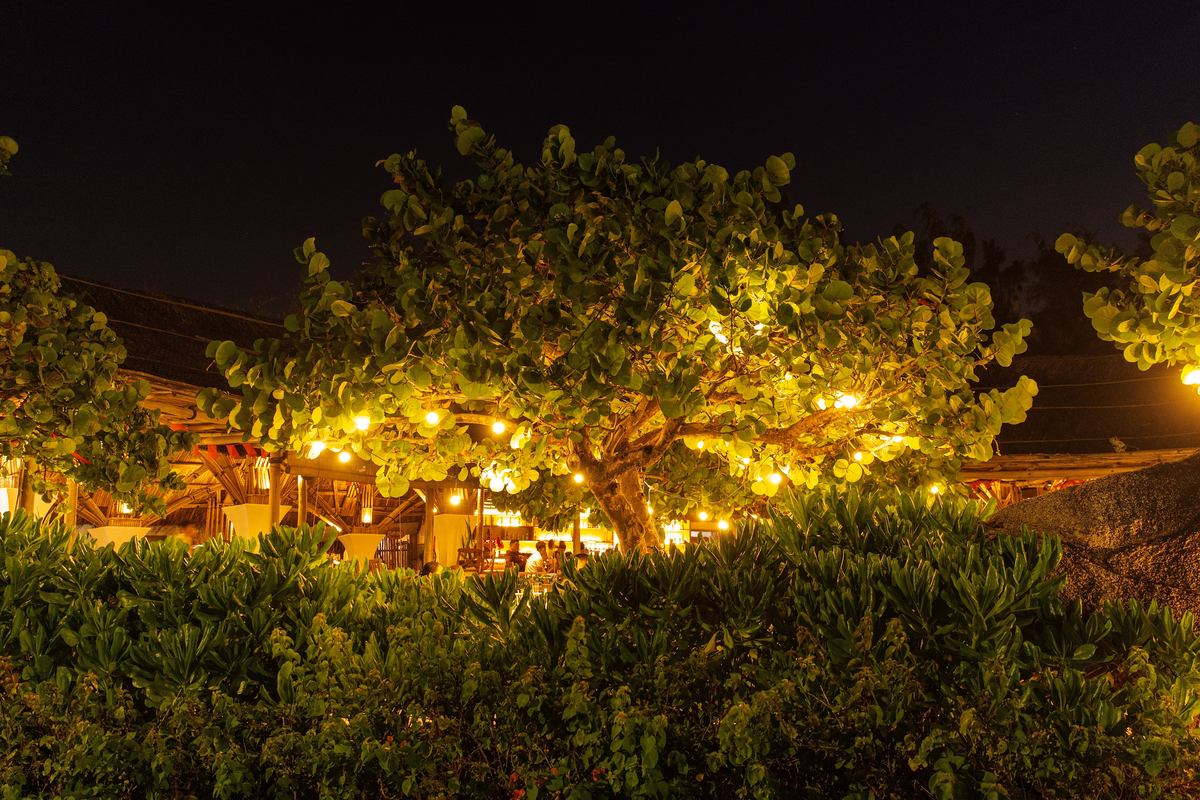
Photo by quang vinh on Pexels
Traditional fixed solar lights project downward task lighting ideal for high-risk stepping surfaces, while solar firefly lights create dynamic, eye-level kinetic warmth along garden borders.
Best choice for
- Traditional Fixed Solar Pathway Lights — Provides concentrated downward foot-candle illumination directly onto stepping surfaces to prevent trips and falls.
- Solar Firefly Lights — Flexible stems sway softly in wind breezes, lifting warm ambient light to foliage height rather than harsh downward pools.
- Hybrid Layout (Fixed Pathway Lights + Firefly Stakes) — Delivers ground-level task downlighting for navigation while framing the walkway edge with organic kinetic glow.
- Avoid relying solely on solar firefly lights if your path has unlit, steep stairs requiring direct downward task light.
- Avoid traditional fixed plastic stakes if you want to avoid rigid, runway-style glare along natural organic garden borders.
- Hardwired Low-Voltage Brass Downlights — Best for permanent, high-lumen commercial entryway illumination where solar access is unavailable.
Recommended Firefly Light Configurations for Walkways
Select the appropriate pack size based on your garden border length and visual density goals.
Real-World Walkway Transformations
Suburban Front Walkway with Bare Concrete Edge — Install an 8-Pack of Solar Firefly Lights spaced 3 feet apart in alternating zig-zag patterns inside the lawn edge to soft-frame the paved concrete.
Flagstone Path Surrounded by Dense Hostas and Lavender — Place firefly light stakes directly among the hosta stems. The 28-inch height lets warm LED globes peak above leaves and sway in evening winds.
Dark Brick Entry Steps Leading to Front Porch — Place traditional downward stakes on step landings for tread visibility, flanked by 2 firefly stakes in adjacent porch planters for welcoming warm ambience.
See how homeowners transform dark outdoor paths using tactical solar firefly placement.
Understanding Light Behavior Along Outdoor Walkways
When evaluating outdoor solar lighting, landscape architects separate fixtures into two major categories: directional task downlighting and kinetic ambient accent lighting.
Traditional fixed solar stakes are designed with downward-facing reflectors or angled glass lenses. Their primary engineering goal is to project a focused cone of light (typically 5 to 15 lumens) downward onto hard surfaces like concrete, brick, or gravel. This makes them ideal task fixtures for highlighting sudden drops, cracked stones, or elevation shifts.
In contrast, Solar Firefly Lights utilize vertical, multi-directional LED globes suspended on individual high-tensile steel wire stems. Rather than casting a concentrated beam onto the ground, these lights emit a soft, 360-degree warm golden halo into mid-air.
The Movement Factor: Why Rigid Stakes Feel Static
Traditional solar stakes remain completely rigid. In residential gardens, a straight line of fixed stakes can sometimes create a harsh, clinical 'airport runway' visual effect. Furthermore, rigid plastic posts are vulnerable to lateral forces—a accidental bump from a garden hose or lawnmower can snap cheap stakes at ground level.
Solar firefly lights turn air movement into visual art. As evening breezes brush through your garden, the flexible wire stems bend and yield without breaking. The warm LED globes sway in gentle, organic arcs, mimicking the authentic, floating dance of fireflies on a warm summer night. This movement adds depth, softness, and continuous visual interest to outdoor living spaces.
Height Dynamics and Seasonal Growth
A common frustration with low-profile traditional solar stakes (10 to 14 inches high) is that spring foliage quickly smothers them. As perennials, lavender, hostas, and ornamental grasses expand, rigid solar stakes end up trapped underneath plant canopies—blocking sunlight charging during the day and hiding light output at night.
With a total height of 28 inches, firefly light stakes elevate solar charging panels and warm LED bulbs well above ground cover. This ensures optimal daily sun exposure while allowing the swaying globes to nestle right at flower blossom level.
Frequently Asked Questions
Answers to common homeowner questions about staging solar firefly lights along garden pathways.
Next Steps for Your Walkway Transformation
Your decision: Determine whether your path requires ground-level task downlighting for trip safety, kinetic ambient accents for cozy atmosphere, or a layered combination of both.
Do this next: Measure your walkway border length, check daily sunlight exposure along the path, and select your initial pack size.
- Read next: Solar Firefly Lights Pack Size Guide: 4-Pack vs. 8-Pack
- Read next: How to Choose the Best Solar Pathway Lights for a Magical Garden Walkway
Transform your walkway borders with our Solar Firefly Lights (Available in 4-Pack with 32 LEDs or 8-Pack with 64 LEDs) at solarfireflylights.com.
Ready to enhance your garden path? Take these simple steps to plan your lighting layout.
Related Landscape Lighting Guides
Link readers to related pathway and flower bed lighting articles.
Cover photo by Star Zhang on Pexels.