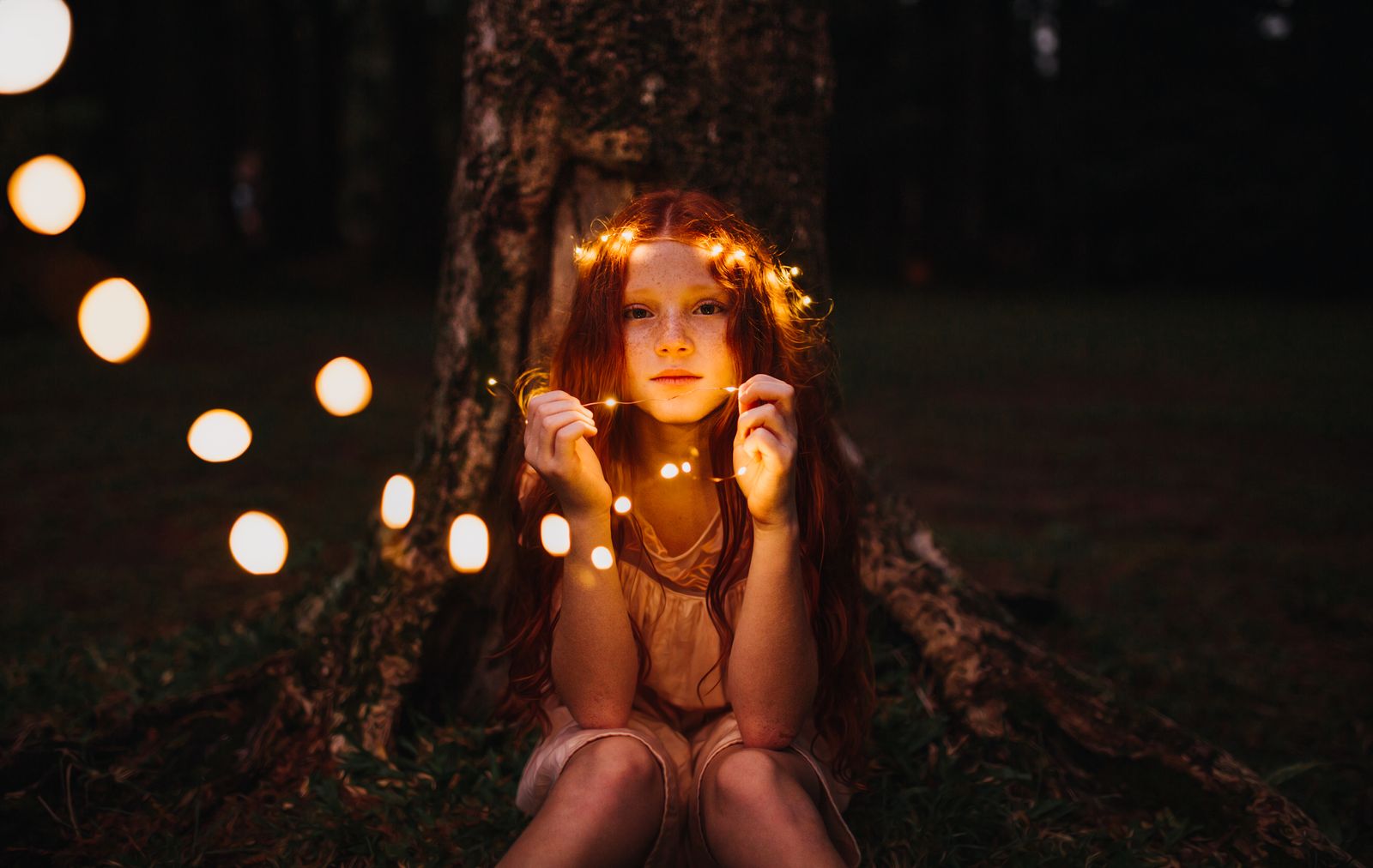
Solar Firefly Lights vs. Traditional Pathway Lights: Which Creates the Best Evening Ambience?
Which outdoor fixture creates the ideal balance of atmosphere and visibility: kinetic solar firefly lights or traditional static pathway lights? If your priority is cozy, ethereal charm, solar firefly lights deliver a swaying, warm glow that rigid fixtures cannot match. Traditional pathway lights offer focused downward footway visibility for dark stairways. For the most captivating landscape design, layer firefly lights inside flowerbeds with traditional fixtures guiding walkway edges.
Lighting Performance & Failure Modes Across Outdoor Scenarios
| Landscape Scenario | Solar Firefly Lights | Traditional Pathway Lights | Primary Failure Mode Risk | Recommended Approach |
| --- | --- | --- | --- | --- |
| Dense Flower Beds & Perennial Borders | Creates floating points of warm light that sway gently within plant foliage. | Casts static downward pools of light, often blocked by growing plant stems. | Traditional lights risk total foliage shadow occlusion as plants grow tall. | Solar Firefly Lights (8-Pack) |
| Steep Concrete Stairs & Hazard Steps | Provides soft perimeter orientation, but lacks high-intensity step-tread illumination. | Directs concentrated downlighting onto tread surfaces to highlight step edges clearly. | Firefly lights alone fail to eliminate deep tread shadows on steep steps. | Traditional Downward Pathway Lights |
| Curved Garden Walkways & Borders | Softens hardscape borders with kinetic movement, eliminating stark light lines. | Marks precise walkway boundaries, but can create an artificial 'airport runway' look. | Rigid pathway light stakes risk snapping when struck by lawncare equipment. | Hybrid Layering (Firefly in beds, Downlighting at edges) |
| High-Wind Patio & Lawn Borders | Flexible stems safely absorb wind currents, naturally enhancing kinetic swaying. | Rigid stems resist slight gusts but tilt or break under heavy structural wind force. | Rigid plastic ground stakes crack or snap under wind-driven stem leverage. | Solar Firefly Lights |
| Shaded Backyard Canopy | Requires direct sun exposure during daylight hours for maximum night runtime. | Low-voltage wired versions operate reliably regardless of tree cover. | Solar panels fail to achieve full dusk-to-dawn charge under dense evergreen shade. | Solar Firefly Lights placed in sun-facing perimeter spots |
Choosing the right outdoor lighting requires evaluating visual effect, installation requirements, and common point-of-failure risks across different areas of your landscape.
Comparing Kinetic Ambience Against Fixed Directional Light
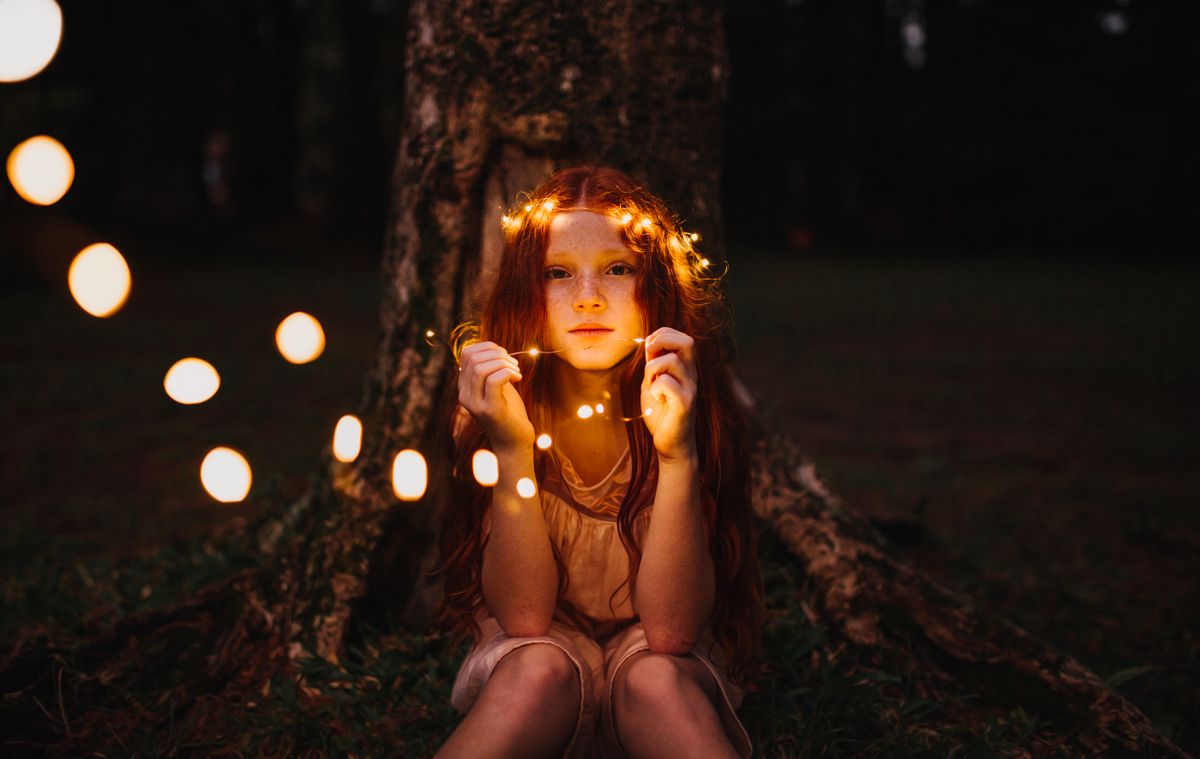
Photo by Matheus Bertelli on Pexels
Pros
- Solar Firefly Lights: Gentle breeze creates a realistic swaying motion that adds magical depth to flower beds.
- Solar Firefly Lights: Zero wiring or electrical knowledge required; simple stake installation into soft ground.
- Solar Firefly Lights: Flexible stems absorb breezes and light impacts without snapping or bending out of shape.
- Solar Firefly Lights: Auto dusk-to-dawn operation harnesses direct sunlight for eco-friendly power.
- Traditional Pathway Lights: High-intensity downward beam pattern highlights walkway hazards and uneven stone paths.
- Solar Firefly Lights Failure Mode: Cannot provide concentrated downward spot illumination on steep concrete stairs.
- Solar Firefly Lights Failure Mode: Stems tucked under deep, shaded building eaves will experience reduced battery charging.
- Traditional Pathway Light Failure Mode: Rigid metal or plastic ground stakes easily snap when accidentally bumped by mowers or garden hoses.
- Traditional Pathway Light Failure Mode: Equal spacing along flat paths creates a harsh, sterile 'runway' visual effect.
- Traditional Pathway Light Failure Mode: Hardwired options require trenching, conduit, and low-voltage transformer installation.
The Verdict: Selecting the Best Lighting for Your Yard
Best for Atmospheric Charm: Solar Firefly Lights
If you want to turn your garden, patio border, or walkway into a warm evening sanctuary, Solar Firefly Lights are unmatched. Their flexible stems bow naturally with the wind, moving glowing warm LEDs through plant foliage to emulate fireflies on a summer night.Best for High-Hazard Safety Footpaths: Traditional Pathway Lights
For steep drop-offs, dark unbordered concrete staircases, or main entrance paths where direct downlighting on steps is required for foot visibility, traditional fixed downward fixtures provide focused illumination.The Designer Solution: The Layered Hybrid System
Place traditional low-profile downward stakes right along hardscape margins to illuminate steps, then cluster Solar Firefly Lights 12 to 18 inches back inside flower beds. This eliminates harsh shadows, adds visual depth, and creates an inviting landscape design.Transform your outdoor space tonight with flexible, dusk-to-dawn firefly illumination.
Visualizing the Hybrid Layout: Layering Ambience with Visibility
To achieve a professional landscape look, combine direct path lighting with atmospheric firefly clusters.
How to Begin Your Landscape Transformation
Your decision: Choose Solar Firefly Lights for atmospheric garden borders, or combine them with traditional path stakes for a complete hybrid setup.
Do this next: Measure your flower beds and walkway perimeter. Plan for one 8-pack of Solar Firefly Lights per 12-15 linear feet of planting bed.
Related resource: Review site charging guidelines to ensure your outdoor solar panels receive 6-8 hours of direct daily sunlight.Select the Solar Firefly Lights 8-Pack (64 warm LEDs) for continuous garden bed coverage, or the 4-Pack (32 warm LEDs) for accenting patio containers.
Follow these steps to transition your yard into a multi-layered evening retreat.
Key Takeaways for Outdoor Lighting Design
Keep these spatial lighting principles in mind as you plan your outdoor lighting layout:
Decision Support Framework: Matching Fixtures to Your Yard
Choose solar firefly lights if your main goal is cozy, magical, motion-based atmosphere inside plant beds and living borders. Choose traditional pathway lights if you need strong downward footway illumination on stairways or bare paths. For ideal landscape design, combine both.
Best choice for
- Solar Firefly Lights — Flexible stems sway softly in the breeze, nesting glowing bulbs into plant foliage without glares or rigid lines.
- Traditional Downward Pathway Lights — Directs downward illumination onto footpaths to reveal trip hazards.
- Layered Hybrid Setup — Traditional fixtures guide step boundaries along paths, while solar firefly lights add ambient depth inside garden beds.
- Do not rely exclusively on solar firefly lights for dark, steep concrete staircases where focused downward tread illumination is required.
- Do not use rigid pathway lights if you want to avoid a sterile, harsh 'airport runway' look along garden borders.
- Do not place solar-powered fixtures beneath deep porch roofs or shaded building eaves that block direct daytime sunlight.
- Low-Voltage Hardwired Landscape Fixtures — Best for high-lumen illumination in shaded yard locations where solar panel sun exposure is unavailable.
- Overhead Solar String Lights — Best for canopy overhead patio lighting across pergolas rather than ground-level garden depth.
Featured Option: Solar Firefly Light Packs for Layered Ambience
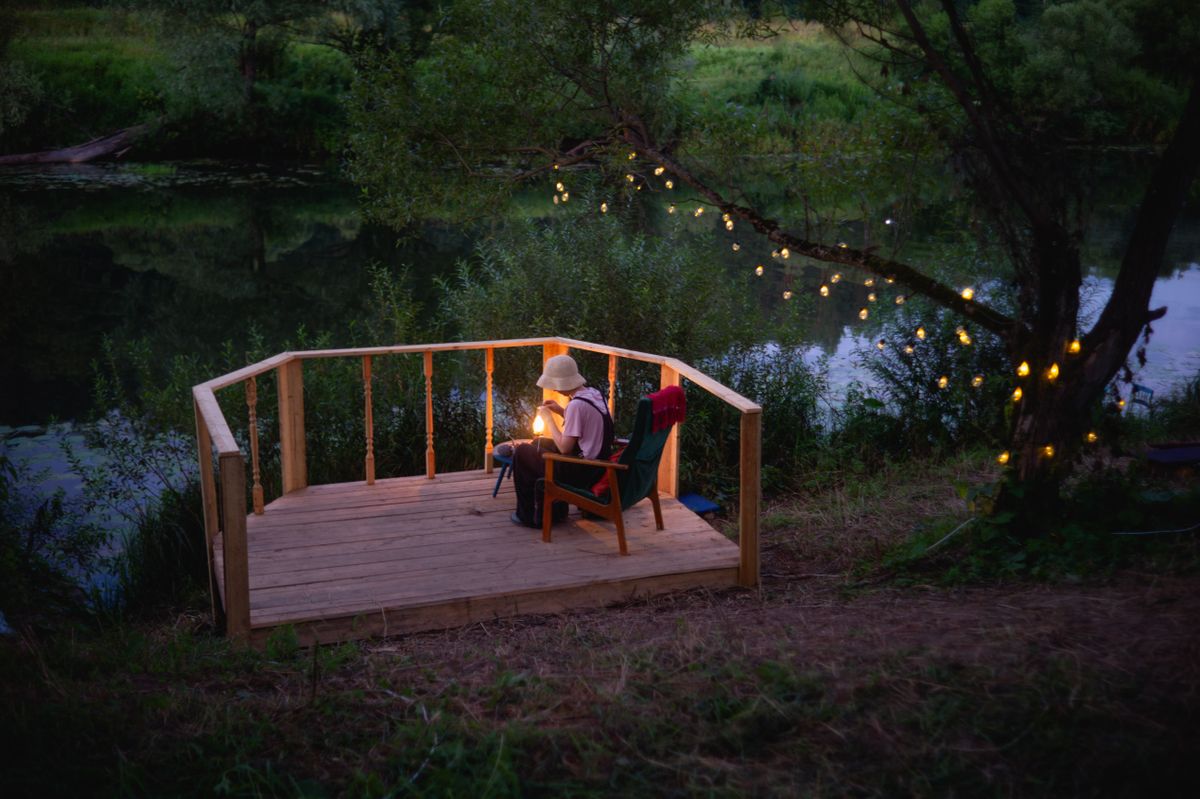
Photo by Daniil Ustinov on Pexels
Bring warm, flickering firefly charm to your yard with solar-powered stake lights that charge by day and light up automatically at dusk.
Real-World Landscape Lighting Scenarios
Cottage Flower Bed with Mixed Perennials — Install Solar Firefly Lights (8-Pack). Nestling the flexible stems within hostas, lavender, or ornamental grasses allows the warm bulbs to peek through foliage and sway gently with evening winds.
Modern Suburban Walkway to Front Entrance — Use a Layered Hybrid Setup. Position low-profile traditional path lights right at the edge of the pavers, and place Solar Firefly Lights 12 to 18 inches back within the mulched garden border.
Enclosed Outdoor Dining Patio — Position Solar Firefly Lights (4-Pack) in corner planters or perimeter garden pots. The soft warm LED glow adds a cozy backdrop for outdoor dinners without harsh glare.
Here is how different outdoor spaces transform depending on which lighting style you choose.
Traditional landscape lighting relies on static fixture placement. A rigid metal or plastic stake holds a bulb at a fixed height, throwing a cone of light downward onto flat ground. While functional, static lighting treats your yard like an indoor hallway—flat, rigid, and predictable.
The Science of Motion Optics
Solar firefly lights introduce movement into landscape optics. Engineered with ultra-flexible, resilient stems, these lights respond to natural air currents. Instead of casting fixed beams, their warm LED bulbs bow, dance, and float within plant foliage. This motion mimics the organic light of real fireflies (Lampyridae) on a warm summer evening.When light sources move subtly relative to surrounding leaves, your brain perceives enhanced visual depth. Plants no longer look like flat silhouettes against a dark backdrop; instead, the garden acquires a multi-dimensional glow that feels soft and inviting.
Avoiding the 'Runway Effect'
One common design mistake homeowners make with rigid pathway stakes is lining them up in straight, evenly spaced rows along a walkway. At night, this produces the 'airport runway effect'—a blinding, mechanical line of bright downward cones that cuts the lawn in two and draws attention to the light fixtures rather than the garden beauty.By contrast, scattering solar firefly lights in natural clusters of three or five within adjacent garden beds breaks up harsh geometric lines. The solar panels absorb direct sunlight throughout the day, automatically turning on at dusk to replace cold light beams with a warm, natural ambience.
Weather Resilience and Material Flexibility
A common point of failure for traditional light stakes is physical rigidity. When bumped by a lawnmower, garden hose, or high wind gust, rigid stakes often snap at the plastic ground connector. Solar firefly light stems are specifically designed to flex under force and spring back into position. Rain resistant and outdoor-ready, they withstand summer thunderstorms while continuing to provide automatic dusk-to-dawn performance.Explore Related Landscape Lighting Guides
Expand your outdoor design knowledge with these related guide topics:
- How Many Solar Firefly Lights Do You Need? A Landscape Density Guide
- How to Create an Enchanted Garden Walkway with Firefly Landscape Lighting
- How to Stage Solar Firefly Lights in Flower Beds for a Magical Evening Sanctuary
- Solar Firefly Lights vs. String Lights: Which is Best for Nighttime Outdoor Hosting?
Frequently Asked Questions
Answers to common questions about solar firefly lights and traditional outdoor pathway lighting.
Ready to Transform Your Evening Outdoor Space?
Your decision: Determine whether your yard needs atmospheric garden depth, direct step navigation, or a layered hybrid layout.
Do this next: Order your Solar Firefly Lights today and place them in soft soil receiving direct daytime sun.
Related resource: Learn more about optimal stake placement and panel maintenance in our outdoor setup guides.Choose the Solar Firefly Lights 8-Pack (64 LEDs) for full garden borders or the 4-Pack (32 LEDs) for compact patio accent clusters.
Bring magical ambience and soft, organic warmth to your gardens, patios, and walkways with solar-powered firefly lights.
Cover photo by Matheus Bertelli on Pexels.