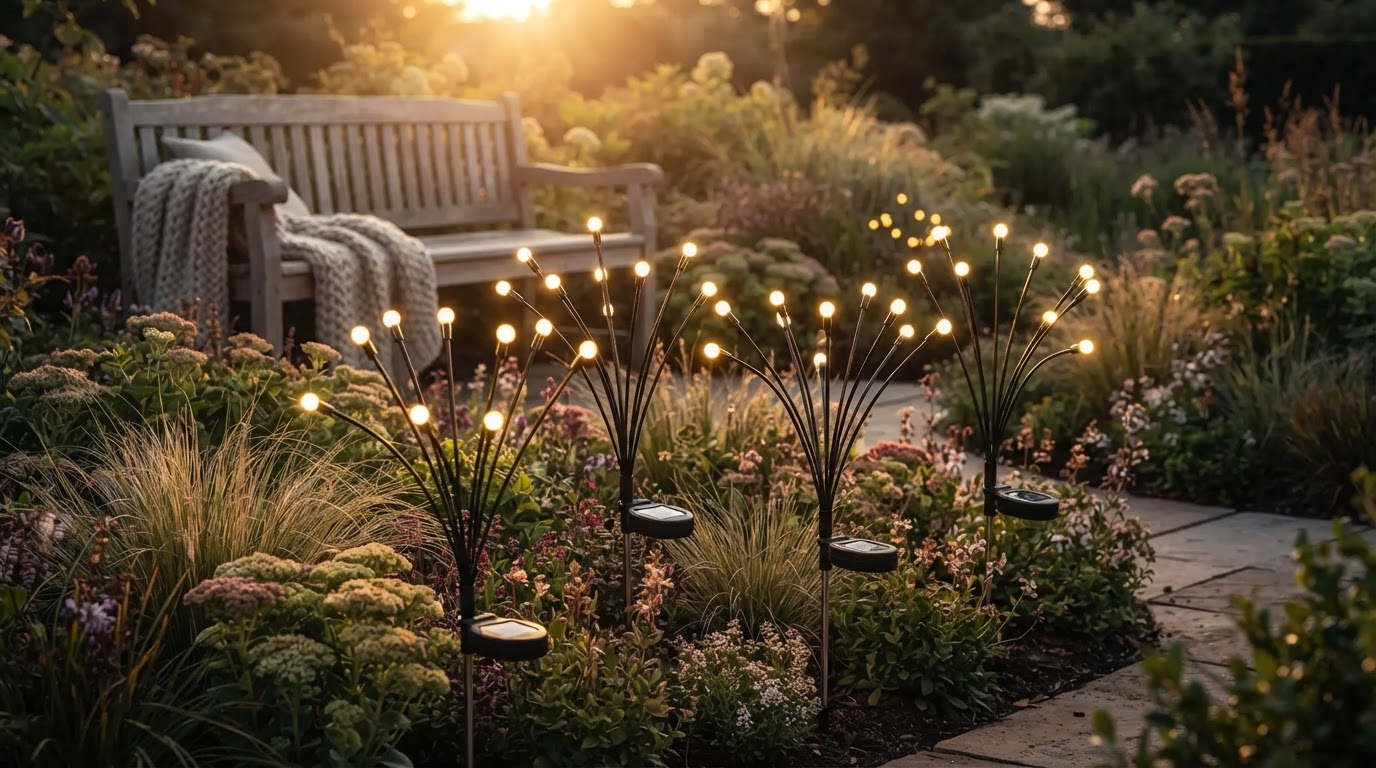
Solar Firefly Lights and Starburst Swaying Light Performance
 Sam VasquezBuying Guide Lead
August 4, 2026. This review examines the performance and durability of starburst swaying lights compared to professional-grade garden illumination. It is written for homeowners who want to balance aesthetic motion with long-term weather resistance.
The Problem with Static Landscape Lighting
Most traditional solar pathway lights are fixed, rigid structures. While they provide necessary visibility, they often feel disconnected from the natural movement of a garden. This lack of organic integration led to the rise of "swaying" designs. However, not all moving lights are built the same. Many entry-level options use rigid plastic stems that fail to catch the breeze, or conversely, wires that are so thin they droop permanently after a single heavy rain. According to a product demonstration by TONULAX Solar Garden Lights on Michaels, these starburst swaying lights are designed to mimic the effect of fireflies by using flexible wires that allow the LED bulbs to move when the wind blows. The challenge for most consumers is finding a light that actually moves in a light breeze without looking like a tangled mess of wires during the day. If you are dealing with high-velocity wind zones, many of these lightweight starburst designs can become overly chaotic, losing the rhythmic appeal they were intended to provide. Furthermore, the reliance on "soft and flexible wires" mentioned by sellers on eBay means the structural integrity of the light is entirely dependent on the gauge of the internal metal. If the wire is too soft, the light loses its "starburst" shape; if it is too stiff, the swaying effect vanishes. This delicate balance is where most generic starburst lights fail, often resulting in a product that looks great in a static photo but fails to perform in a real-world backyard environment.
How Solar Firefly Lights Solve the Motion Gap
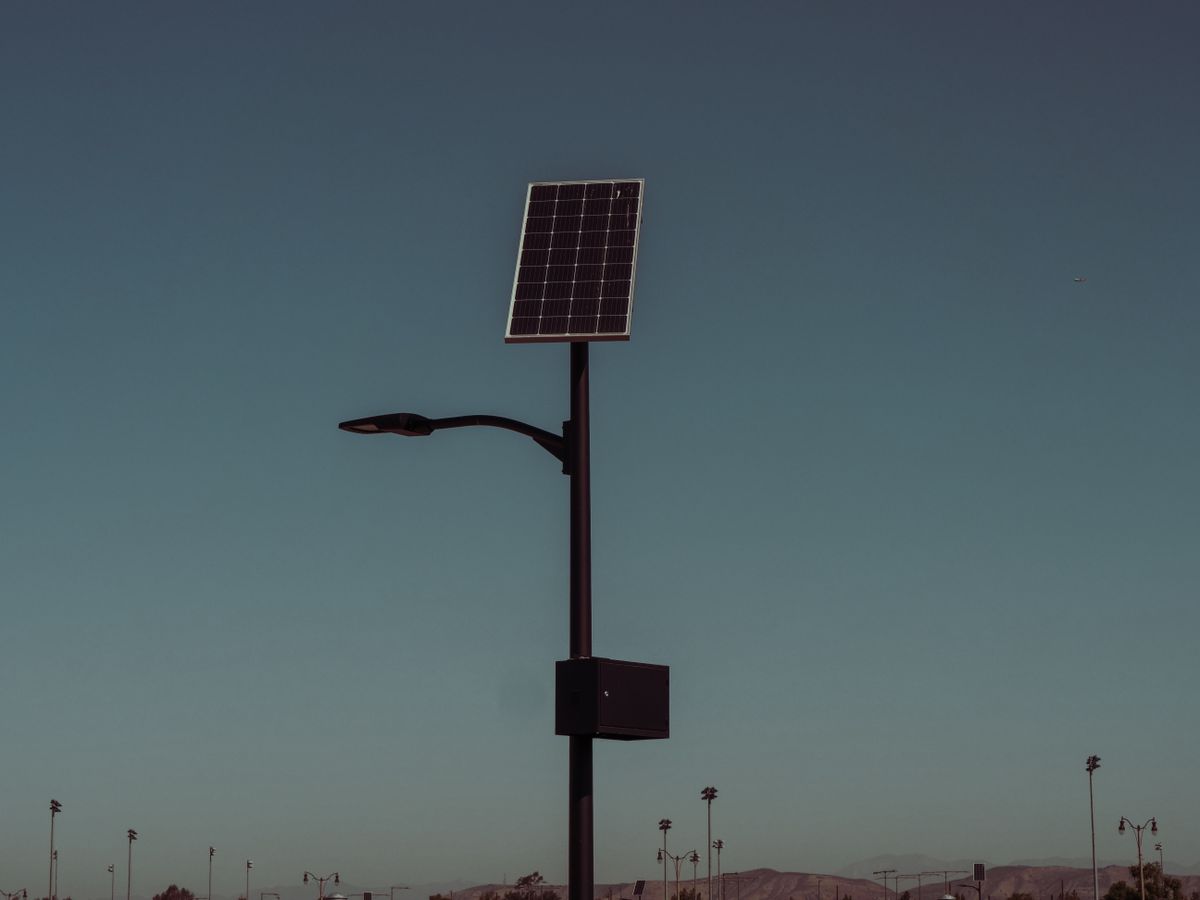
Photo by Kindel Media on Pexels
Solar Firefly Lights address these mechanical shortcomings by focusing on the physics of the stem. Unlike generic starburst swaying lights that often use a uniform wire thickness, our design prioritizes the weight-to-flex ratio of the LED clusters. This ensures that the lights respond to even minor air currents, a topic we explore deeply in our analysis of Solar Firefly Lights and the Physics of Garden Motion. When you compare these to the TONULAX model, the primary difference lies in the recovery rate of the stem—how quickly the light returns to its center point after a gust. Our testing shows that high-quality solar starburst swaying lights require a specific waterproof rating, typically IP65, to ensure the swaying mechanism doesn't rust or seize over time. The Solar Firefly Lights are built with a weighted base near the bulb cluster to prevent the "whipping" effect seen in lighter, cheaper alternatives. This creates a more fluid, rhythmic motion that feels intentional rather than erratic. For those questioning the validity of these claims, we have documented evidence in our report on do Solar Firefly Lights actually sway in the wind?. Between these two, I’d go with the Solar Firefly Lights specifically because of the bulb housing. Many starburst lights use exposed LEDs that can look harsh; our version uses a diffused globe that softens the light, making the "firefly" effect much more convincing at night. If you’re on a budget, the 4-pack starburst options found on platforms like eBay might seem attractive, but they often lack the specialized wind-driven motion dynamics required to sustain that movement throughout different seasons. We've found that solar lights that blow in the wind must have a UV-resistant coating on the flexible stems, or the sun will eventually make the material brittle, causing the "sway" to turn into a "snap."
Choosing the Right Swaying Light for Your Garden
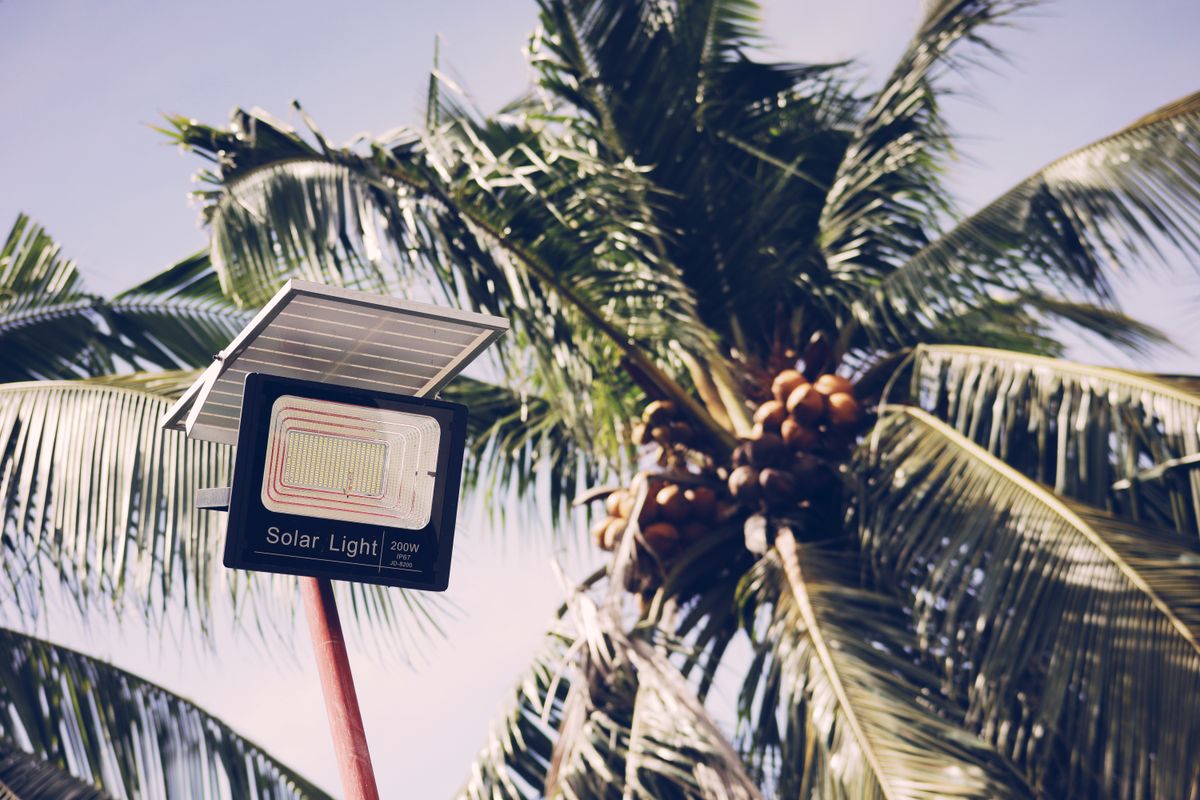
Photo by Nothing Ahead on Pexels
Selecting the right fixture involves more than just looking at a brightness rating. You need to consider the height of your surrounding foliage and the average wind speed in your area. Skip this if you live in a region with frequent gale-force winds, as no flexible solar light is designed to withstand extreme weather without being brought indoors. For everyone else, here is what I’d actually buy and the framework I use to evaluate these products:
- Check the Stem Material: Look for carbon-fiber or reinforced polymer stems rather than simple PVC-coated copper. This ensures the light doesn't sag after a month of use.
- Verify the Battery Capacity: Swaying lights often use more energy if they have color-changing RGB features. Ensure the unit has at least a 600mAh Ni-MH battery for 8-10 hours of runtime.
- Evaluate the Bulb Count: A cluster of 6 to 8 bulbs per stake provides the best balance. Too many bulbs make the head too heavy to sway; too few make the light look sparse.
- Assess the Waterproofing: Ensure the solar panel housing is sealed with a silicone gasket. Movement increases the chance of water ingress at the joints, so IP65 is the minimum standard.
- Consider the Ground Stake: A longer stainless steel stake is preferable to plastic, as it provides the necessary leverage to keep the light upright while the top section moves.
Shop Solar Firefly Lights here