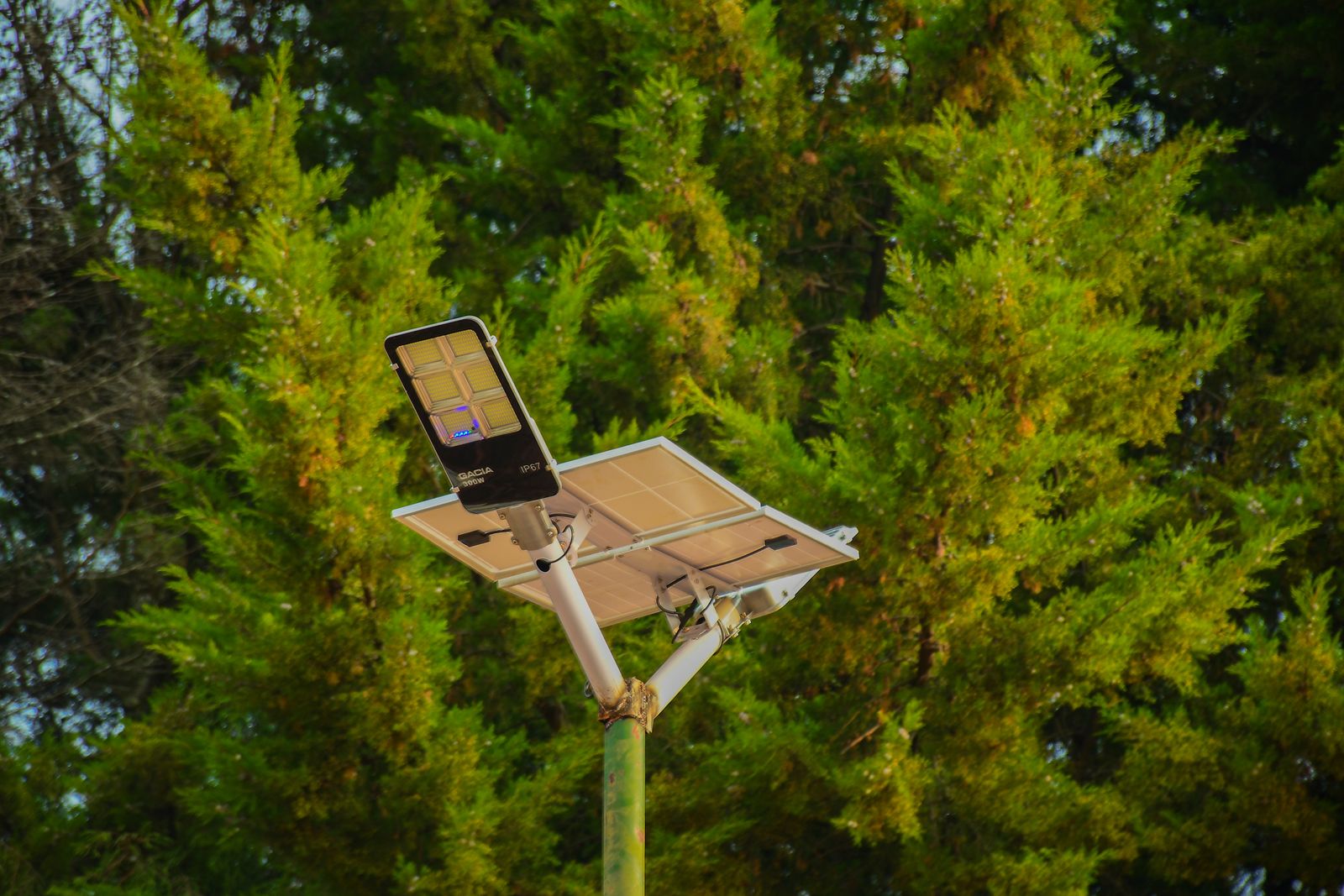
Solar Light Placement in Shade: How to Charge Firefly Lights
The 4-hour direct sunlight rule requires positioning solar panel collectors within garden micro-pockets that receive at least 4 hours of unobstructed midday rays (10 AM–2 PM), tilted 30–45 degrees facing true South (180°). In partially shaded landscape beds, this targeted capture converts ambient and direct photons into 6 to 8 hours of reliable dusk-to-dawn illumination.
Key Placement Rules at a Glance
- Aim for 4+ Hours: A minimum window of 4 direct sunlight hours between 10:00 AM and 2:00 PM yields an 80% to 100% full battery charge.
- Tilt 30–45° South: Angle solar collectors toward true South to maximize photon capture through shifting leaf canopies.
- Maintain 12-Inch Sway Clearance: Provide a 12-inch radial clearance around flexible stems so wind sway occurs freely without casting panel shadows.
- Distribute Panels via 8-Pack Units: Spreading 8 solar collectors across separate sunlight micro-pockets captures significantly more daily energy than clustering in single shadows.
- Maintain Clean Panels: Microfiber cleaning every 2 to 4 weeks removes pollen and sap residue, restoring up to 25% lost charging efficiency.
Technical Specifications: Solar Panel Angle & Sway Clearance
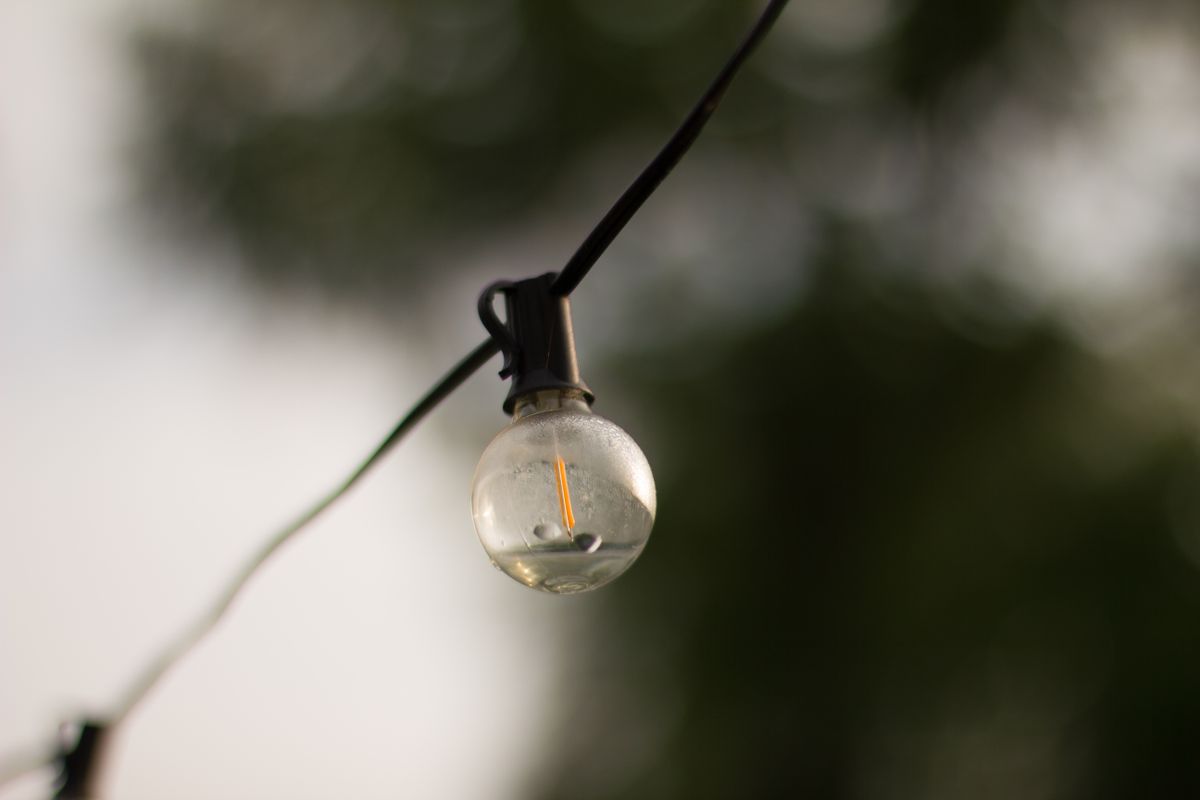
Photo by Steve A Johnson on Pexels
| Parameter | Target Specification | Tolerance Range | Impact on Charging & Ambience |
| --- | --- | --- | --- |
| Solar Panel Orientation | 180° True South | 160° to 200° South-Southwest | Maximizes daily peak solar irradiance by following the US sun arc. |
| Solar Panel Tilt Angle | 35° Vertical Incline | 30° to 45° Tilt | Prevents water pooling, shedding dust while capturing low canopy light. |
| Peak Sun Window | 4.0 Continuous Hours | 3.5 to 5.0 Accumulated Hours | Converts direct solar energy into 6 to 8 hours of nightly ambient LED glow. |
| Stem Sway Clearance Radius | 12.0 Inches (30 cm) | 10.0 to 15.0 Inches | Allows soft breeze movement without stems hitting foliage or casting self-shade. |
| Ground Stake Depth | 6.0 Inches (15 cm) | 5.0 to 8.0 Inches | Secures solar panel tilt stability against wind drift and soil softening. |
Optimal mechanical positioning parameters ensure maximum battery throughput and unrestricted swaying action in shaded landscape beds.
Visualizing Sun Paths & Sway Clearance
Refer to the structural layout below to position solar collection stakes relative to tree canopies, fence shadows, and plant foliage.
Recommended Setup for Shaded Flower Beds & Borders
For landscapes subject to morning or afternoon structural shadows, deploying the Solar Firefly Lights 8-Pack provides 8 independent solar collection points (64 warm LEDs total). Spreading these collectors across separate sun micro-pockets along a flower bed perimeter yields up to 40% higher cumulative daily battery charge compared to single-panel fixtures.
Troubleshooting Weak Charging in Shaded Zones
| Symptom | Root Cause | Diagnostic Check | Corrective Action |
| --- | --- | --- | --- |
| Lights turn off after 1–2 hours | Insufficient direct sunlight intake (<2.5 hours) | Observe solar panel surface at 11:00 AM and 1:00 PM for canopy shadow overhang. | Relocate stake 12–24 inches outward into a sun micro-pocket or angle collector South. |
| LED bulbs flicker or fail to turn on at dusk | Ambient artificial light hitting light sensor | Check if porch lights, streetlights, or indoor window spill illuminate the panel face. | Reposition panel away from artificial fixtures or tilt panel away from light sources. |
| Glow is dim even after a sunny day | Pollen, sap, or soil film built up on solar glass | Inspect glass panel for cloudy film, water spots, or organic dust particles. | Wipe clean with a damp microfiber cloth; dry thoroughly with a lint-free towel. |
| Stems fail to sway naturally in wind | Foliage or adjacent plant branches tangling stems | Check 12-inch radial sway envelope around flexible wire arms. | Prune back dense hosta leaves or space stakes further apart in the flower bed. |
If your solar firefly lights exhibit dim output or premature shutoff, evaluate these common installation issues and diagnostic checks.
Expert Tip: Seasonal Shadow-Mapping Without Specialized Tools
You do not need an solar optical pyranometer to locate peak charging zones in a shaded yard. On a clear day, set 3 alarm reminders on your smartphone: 10:00 AM, 12:00 PM, and 2:00 PM. At each interval, place small wooden garden markers or flags where direct sunlight hits the soil. The spots where markers overlap across all three time slots represent your high-yield solar micro-pockets. Stake your solar firefly light panels precisely in these golden windows while allowing the flexible stems to bend outward into the foliage for a seamless, floating light effect.
Your Action Plan for Perfect Garden Placement
Your decision: Identify your garden's primary shade type and locate peak 10 AM–2 PM sunlight pockets before staking lights.
Do this next: Map your garden sun path at 10 AM, 12 PM, and 2 PM. Stake solar panels in high-exposure micro-pockets angled 30–45 degrees South.
- Read next: Solar Panel Charging Efficiency: What to Look for in Ambient Garden Lights
- Read next: Why Are Solar Garden Lights Dim in Winter? Troubleshooting & Sunlight Optimization
For shaded garden borders, choose the 8-Pack Solar Firefly Lights to distribute solar panels across multiple sunlight micro-pockets.
Follow this practical implementation strategy to achieve effortless, magical night light in your shaded outdoor space.
Placement Strategies Based on Shade Density
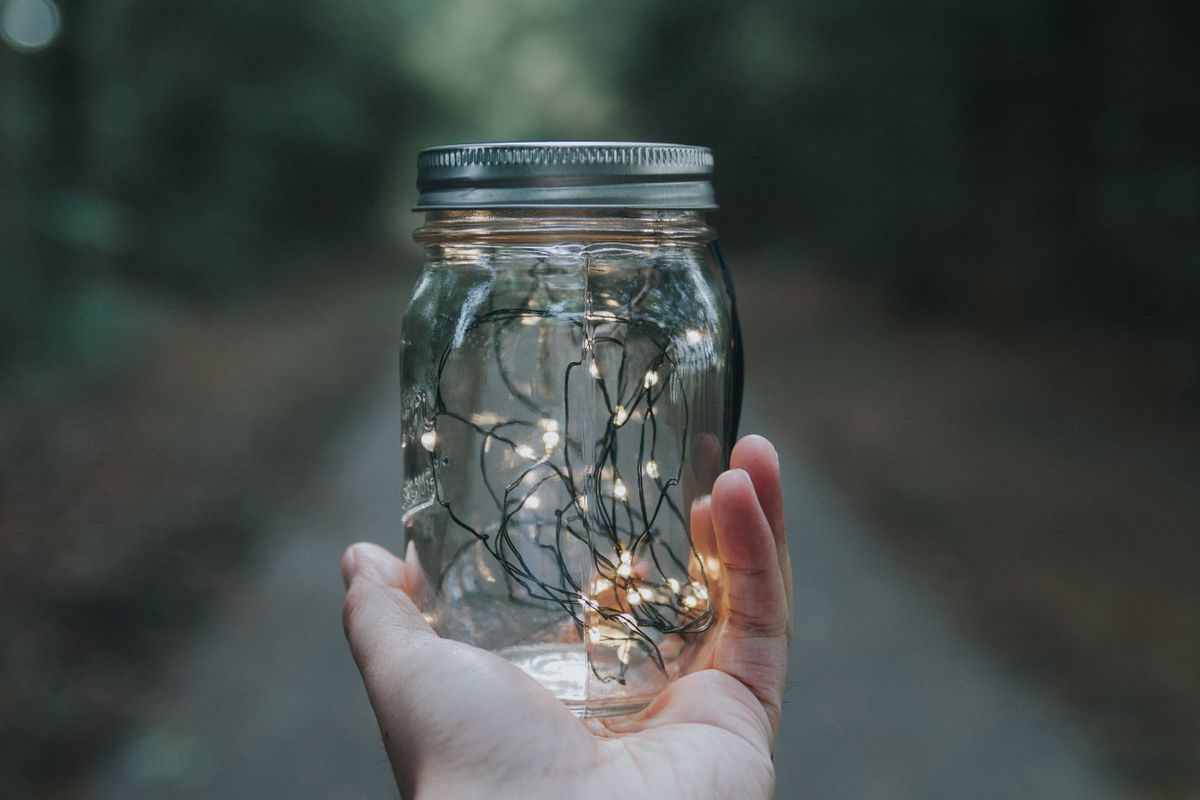
Photo by Jerm Gonzalo on Pexels
To overcome shaded garden conditions, prioritize South-facing solar panel orientation and micro-pocket sunlight placement. Where dense foliage completely blocks sun, stagger stakes along perimeter drip lines.
Best choice for
- Mid-Bed Placement with 45° South Panel Tilt — Allows panels to capture peak midday light through gaps in moving leaf canopies.
- Edge Border Staggering with Extended Stems — Positions panels outside structural shadow casting zones while keeping illuminated stems in the garden bed.
- Placing solar panels directly beneath dense evergreen shrubs (e.g., boxwoods or conifers) where zero direct rays penetrate year-round.
- Staking stems so closely under overhangs that flexible firefly stems hit walls or lower foliage when swaying.
- Staggered 8-Pack Perimeter Layout — Increases overall photon collection area by spreading 8 separate solar panels across solar micro-pockets.
Solar Firefly Light Pack Options for Shaded Landscapes
Choose the optimal pack size to match your landscape coverage needs and sunlight availability.
Solar-powered garden lighting operates on photo-electric energy conversion: high-efficiency monocrystalline solar panels collect airborne light particles (photons) during daytime hours and store them inside an integrated rechargeable Ni-MH battery cell. When twilight falls, an internal dusk-to-dawn photo-resistor detects declining ambient light levels, automatically routing battery energy to illuminate the warm LED firefly bulbs.
The Physics of Shade: Dappled Light vs. Structural Shadows
In outdoor landscape lighting, shade is not uniform. Understanding the difference between dappled tree canopy shade and solid structural shade dictates where your lights will perform best:
Optimizing the 30–45 Degree South Angle
Because the sun traverses the southern sky across North America, setting solar panels flat (0 degrees) reduces photon conversion rates by up to 25% under leaf foliage. By angling the solar panel face between 30 and 45 degrees facing true South (180° on a magnetic compass), you align the photovoltaic collector perpendicular to peak solar rays.
This tilt offers two additional technical benefits: rain naturally washes away accumulated pollen, dust, and debris, and high-angle reflection is minimized, forcing maximum light energy into the panel cells.
Stem Sway Dynamics and Radial Clearance
Solar firefly lights derive their natural charm from iron-wire flexible stems that flex in gentle breezes. To prevent mechanical obstruction and self-shading, maintain a 12-inch radial clearance envelope around each stake assembly. When stems sway into dense perennial foliage, three problems occur:
- Foliage Occlusion: Broad leaves (such as hostas or hydrangeas) bend over the solar panel, blocking light intake.
- Mechanical Friction: Constant rubbing against stiff branches dampens the natural firefly sway motion.
- Sensor Confusion: Overhanging leaves can prematurely darken the sensor, turning lights on while daylight remains.
Solar Charging Performance Across Garden Shade Scenarios
| Garden Shade Scenario | Direct Sunlight Exposure | Optimal Panel Tilt Angle | Expected Nighttime Illumination | Recommended Action |
| --- | --- | --- | --- | --- |
| Open Lawn & Unshaded Borders | 6+ Hours Direct Sun | 30° Facing South | 8–10 Hours (Full Dusk-to-Dawn) | Standard ground stake mounting; regular bi-monthly panel cleaning. |
| Dappled Canopy (Deciduous Trees) | 3.5–5 Hours Diffuse/Direct | 40° Facing South | 6–8 Hours Warm Ambience | Angle collector to exploit midday leaf gaps; clear 12-inch sway arc. |
| Fence / Wall Structural Shadow | 2–3 Hours Partial Sun | 45° Facing South-Southwest | 4–5 Hours Evening Glow | Stake panel at edge drip line; extend flexible light stems into shade bed. |
| Deep Evergreen Canopy (Pines/Boxwood) | <1.5 Hours Direct Sun | 45° Facing True South | 2–3 Hours Dim Glow | Avoid deep interior placement; shift panel collectors to outer edge. |
Compare expected charging efficiency and nightly runtime hours across common landscape shade environments.
5 Placement Mistakes That Drain Solar Battery Runtimes
Avoid these frequent installation pitfalls to keep your firefly lights glowing brightly through the night.
Frequently Asked Questions About Solar Light Placement in Shade
Find clear answers to common questions regarding charging, maintenance, and seasonal performance.
Related Solar Lighting Guides
List internal cluster guides to support the reader's journey.
Cover photo by finix photographer on Pexels.