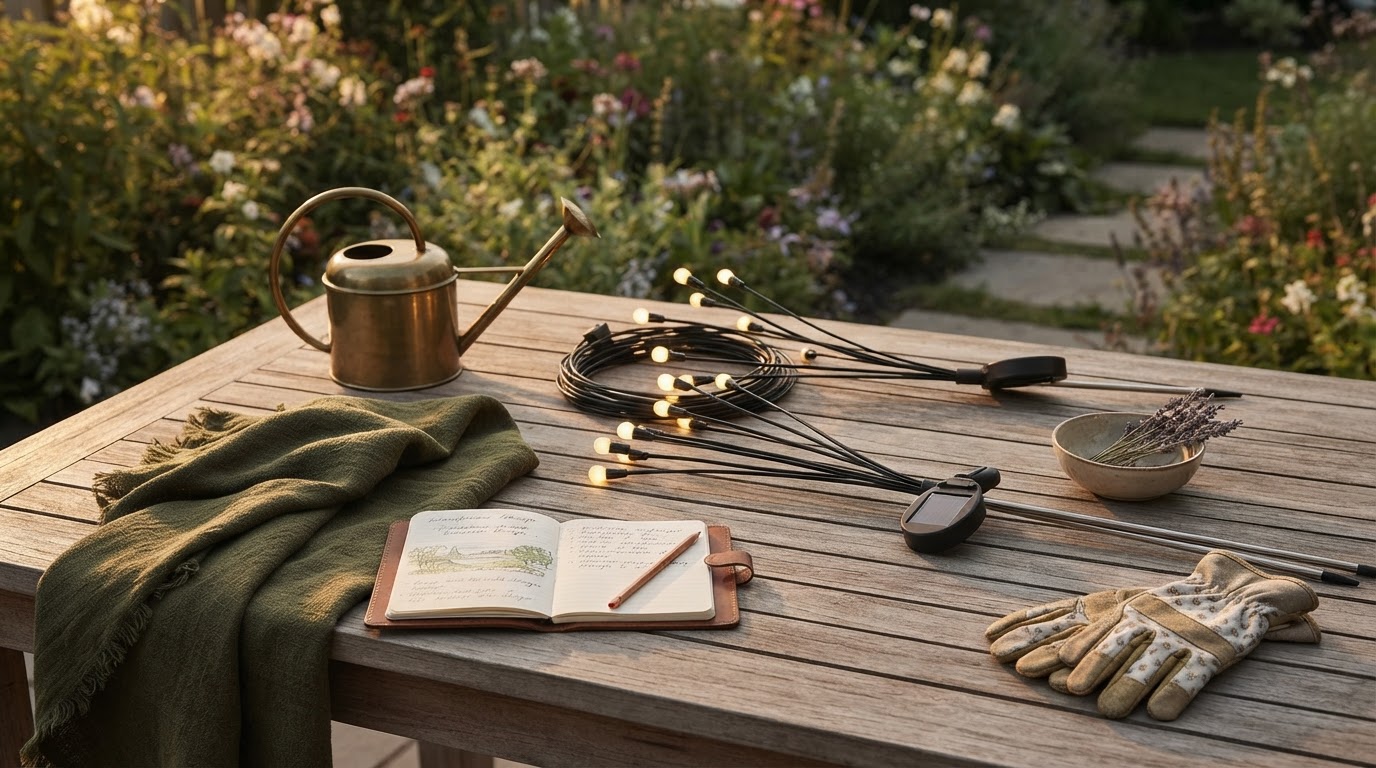
Optimizing Landscapes with Solar Firefly Lights
 Sam VasquezBuying Guide Lead
September 17, 2026
This guide examines the performance and selection criteria for starburst swaying lights in residential landscaping. It is written for homeowners who want to balance aesthetic movement with reliable solar hardware.
The Challenge of Static Garden Lighting
Traditional landscape lighting often feels rigid, providing illumination without life. Most pathway markers are fixed stakes that do nothing to interact with the natural environment. This lack of movement is why many are turning to dynamic options. According to a product showcase by TONULAX on YouTube, the appeal of these fixtures lies in how they are "swaying when wind blows," mimicking the organic motion of insects or wildflowers. However, the market is flooded with low-quality versions that fail after the first rain or simply don't have the flexibility to move in a light breeze. When you are looking at starburst swaying lights, the primary frustration isn't usually the light output—it's the rigidity of the stems. If the wire is too thick, the light stays still; if it's too thin, it snaps. Finding that middle ground is where most shoppers get stuck. I have seen countless "firefly" setups that look like stiff plastic umbrellas rather than the dancing lights promised in the advertisements.
Performance Standards for Solar Firefly Lights
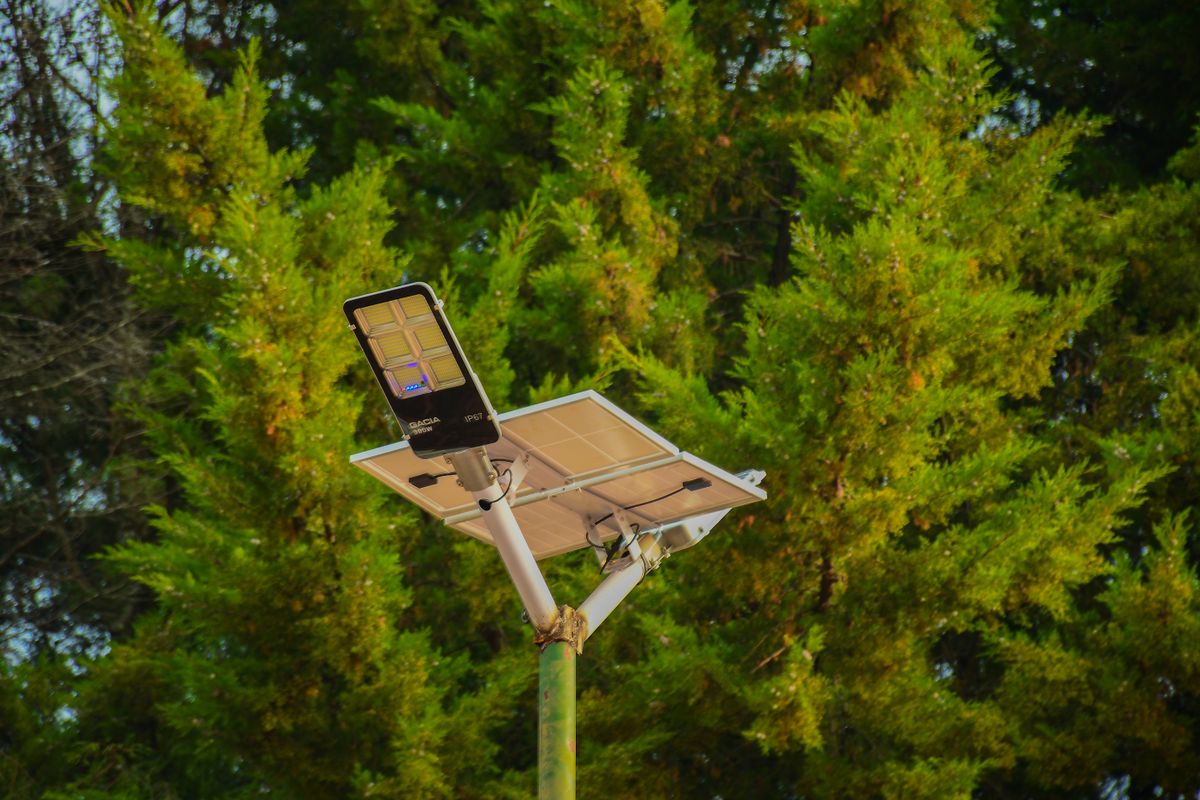
Photo by finix photographer on Pexels
To solve the rigidity problem, Solar Firefly Lights uses a specific wire gauge designed for maximum kinetic response. Unlike the generic solar starburst swaying lights found in big-box clearance bins, these are weighted to ensure the swaying motion is fluid rather than jerky. The hardware is built around a high-efficiency monocrystalline solar panel, which is a significant step up from the polycrystalline panels often used in cheaper alternatives. Between these two, I'd go with the monocrystalline every time because it converts energy better on overcast days. If you're on a budget, you might look at the TONULAX options available at Michaels, which offer RGB color-changing features in a 2-pack. They are decent entry-level units, but they often lack the battery capacity for all-night operation. In contrast, our Solar Firefly Lights focus on a warm white glow that stays consistent for 8-12 hours. We also prioritize a waterproof rating that handles actual storms, not just light mist. When comparing these to the starburst swaying lights solar enthusiasts often discuss on Reddit, the difference usually comes down to the lead-acid versus lithium-ion battery longevity. Skip this if you live in an area with zero wind, as you won't get the full benefit of the swaying mechanism that makes these lights unique.
A Framework for Selecting Swaying Lights
Photo by Myco Libot on Pexels
When you are ready to invest in your yard, don't just buy the first pack you see on a social media ad. You need to look at the technical specs of the solar swaying garden lights to ensure they will last more than one season. Here's what I'd actually buy and the criteria I use to judge them. First, check the bulb count; a 6-LED or 8-LED cluster provides the best balance of weight and visibility. Second, look at the stem material. It should be flexible enough to move but treated to prevent UV degradation. Third, verify the battery mAh rating—anything under 600mAh will likely die before midnight.
Use this checklist before purchasing:
- Confirm an IP65 or higher waterproof rating for year-round outdoor use.
- Check for a "dusk-to-dawn" sensor to eliminate manual switching.
- Ensure the solar panel can be angled to capture maximum sunlight.
- Verify if the bulbs are fixed or if the "starburst" can be manually spread out.
- Look for stainless steel or reinforced ABS plastic ground stakes to prevent snapping.
Shop Solar Firefly Lights here.