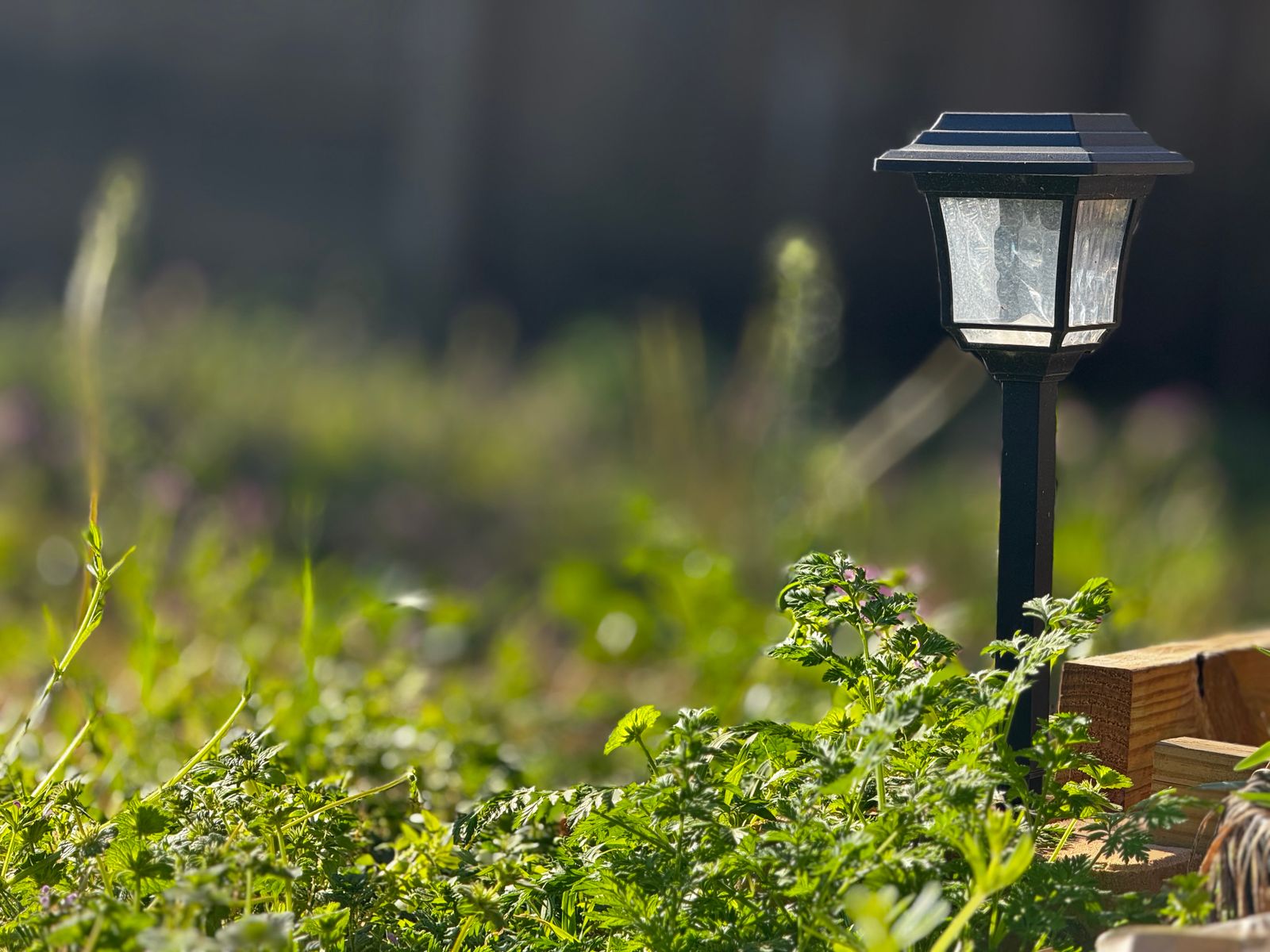
How to Prepare Hard or Clay Soil for Solar Firefly Garden Stakes
Prepare hard or clay soil for solar firefly garden stakes by making the ground soft where the post will sit, then staking as designed. Water the spot, open a pilot hole, and backfill a loose pocket so Solar Firefly Lights go in without bending. Keep the solar panel in the open for a 6-8 hour charge. Do not hammer the panel or use flexible stems as a handle.
The product wants soft ground, so make a pocket of it
Easy installation is a stake into soft ground where the solar panel can receive direct sunlight. Packed clay, summer-baked loam, and gravelly fill are not that ground. Forcing a stake anyway bends the post, cocks the panel, and leaves the bunch leaning into the walk after the first rain.
The fix is local, not a full-yard till. Work a hole only where the bunch will live. A few inches of loosened soil, mixed with a handful of existing dirt or potting mix, is enough of a pocket for the stake. The rest of the bed can stay as it is.
This is still a garden stake, not a fence post. Deep concrete and metal sleeves are the wrong family. Soft, firmed soil that drains is the right one. The setup guide for solar garden stake lights is the general install map; this page is the hard-soil version.
Water, pilot, then seat, in that order
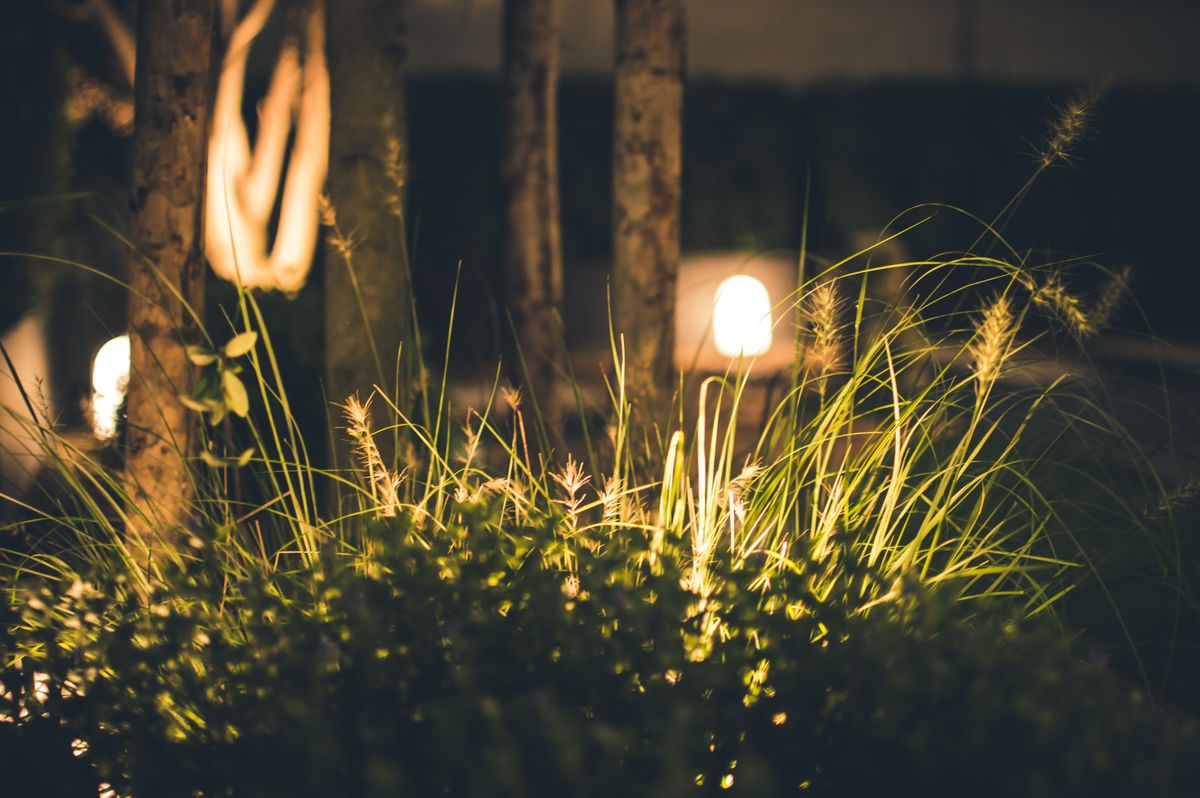
Photo by suzukii xingfu on Pexels
Dry clay is brick. Water the spot until a trowel can enter, not until the bed is a puddle. Wait until the soil is damp and plastic rather than soup. Soup will not hold a stake after dusk.
Open a pilot hole with a screwdriver, dibble, or a spare stake, not with the solar light itself. The light carries a panel and flexible stems. Those parts are not a hammer. Set the real stake into the pilot, then backfill the soft mix around it and press with fingers, not a mallet on the panel.
If the hole hits a rock, stop. Move a few inches. A panel aimed at the dirt because the stake glanced off a stone will not finish a 6-8 hour charge.
Clay that holds water still has to drain
Clay pockets can perch water around a stake. Outdoor-ready lights are meant for weather, not for standing in a cup of mud. If the hole fills and stays filled, mix in a little coarser soil so the pocket drains, or choose a higher spot on the bed.
After the first heavy rain, press the soil back around the post. Clay shrinks and gaps. A gap is how wind walks a bunch out of the ground. Firm it. Do not lash the stems to a brick to compensate.
Mulch after the stake is in, not before. Mulch on top of unopened clay hides the hardpan until the stake crumples. Stake first, then mulch around the post so the panel stays clear.
Hard-soil methods that work versus methods that fail
| Method | Use | Skip | | --- | --- | --- | | Water until the clay is workable | First step on dry beds | Flooding the hole into soup | | Pilot hole with a dibble or spare rod | Protects the real stake | Using the panel as a hammer | | Backfill a soft pocket, then firm | Holds the post upright | Leaving a loose crater | | Move a few inches off a rock | Keeps the panel in the sky | Bending the stake around stone | | Mulch after the stake is set | Hides soil, not the panel | Mulch before you can open the ground |
Sun still wins after the soil is right
A perfect clay pocket in deep shade is still a dark night. Place the pocket where 6-8 hours of sun can hit the panel. Flower beds that bake at the front edge are better than a pretty clay hollow under a shrub.
Containers of mix on a hard patio are an alternative when in-ground clay will not open. The pot must be deep enough and the mix soft enough to take the stake, and the pot must sit in sun. A shallow dish will tip.
Once the bunch stands, leave the flexible stems free. They are the firefly motion. A clay-site install that ties stems to a tomato cage has solved the lean by deleting the look. Firm the soil instead.
Hard and clay soil staking checklist
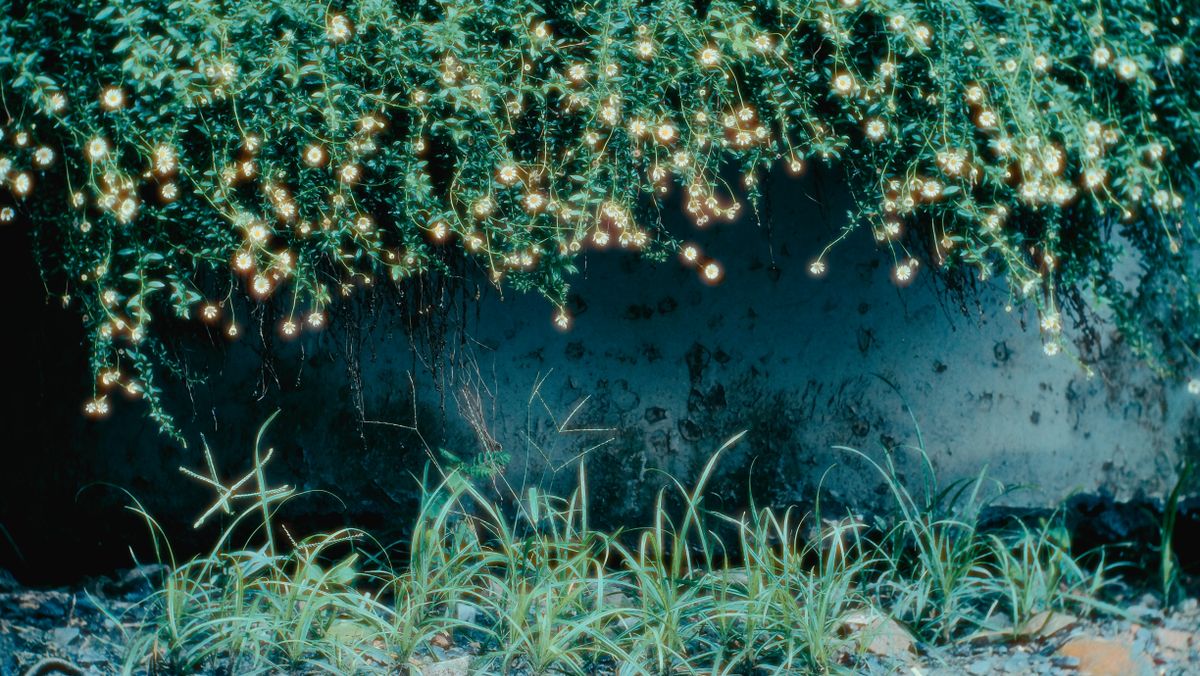
Photo by Nguyễn Hoàng Văn on Pexels
- [ ] Water the spot until a trowel can enter.
- [ ] Open a pilot hole with a tool, not the solar light.
- [ ] Backfill a soft pocket and firm it with fingers.
- [ ] Keep the panel in 6-8 hour sun, clear of mulch.
- [ ] Never hammer the panel or twist the stems as a handle.
- [ ] Press soil back after the first rain so the stake cannot walk.
Frequently asked questions
Can Solar Firefly Lights go straight into packed clay?
No. They are meant to stake into soft ground. Loosen a pocket first so the post does not bend.
Is it acceptable to hammer the stake in?
Do not hammer the solar panel or the stems. Use a pilot hole and hand pressure on the post only.
What if the ground is frozen?
Wait for a thaw or use a sunlit pot with soft mix. Frozen soil is hard soil that will not take a clean stake.
Will a clay pocket shorten the 8-10 hour night?
Only if the panel ends up cocked, dirty, or shaded. Upright in sun, the charge window is still 6-8 hours.
Can a planter replace in-ground clay?
Yes, if the mix is soft, the pot is stable, and the panel still sees the sky.
Related reading
Flower-bed layout, planter installs, and charging placement sit next to this soil prep.
- solar firefly lights for organic flower bed design
- integrating solar firefly lights into container gardens
- solar firefly lights charging and placement efficiency
What to do next
Water a sunlit spot until the clay yields, open a pilot hole, and seat Solar Firefly Lights in a firmed soft pocket with the panel in the sky. After the first rain, press the soil back so the bunch stays upright through the 8-10 hour dusk-to-dawn glow.