PATIOPIA Halloween Lights vs Solar Firefly Lights Specs
 Maya ChenContributing Editor
October 1, 2026 — The seasonal rush for outdoor illumination has hit a price floor with the PATIOPIA Solar Halloween Lights 4-pack surfacing on discount platforms. While the market gravitates toward these low-cost seasonal units for temporary displays, the technical trade-offs in bulb density and long-term utility remain largely ignored by bargain hunters.
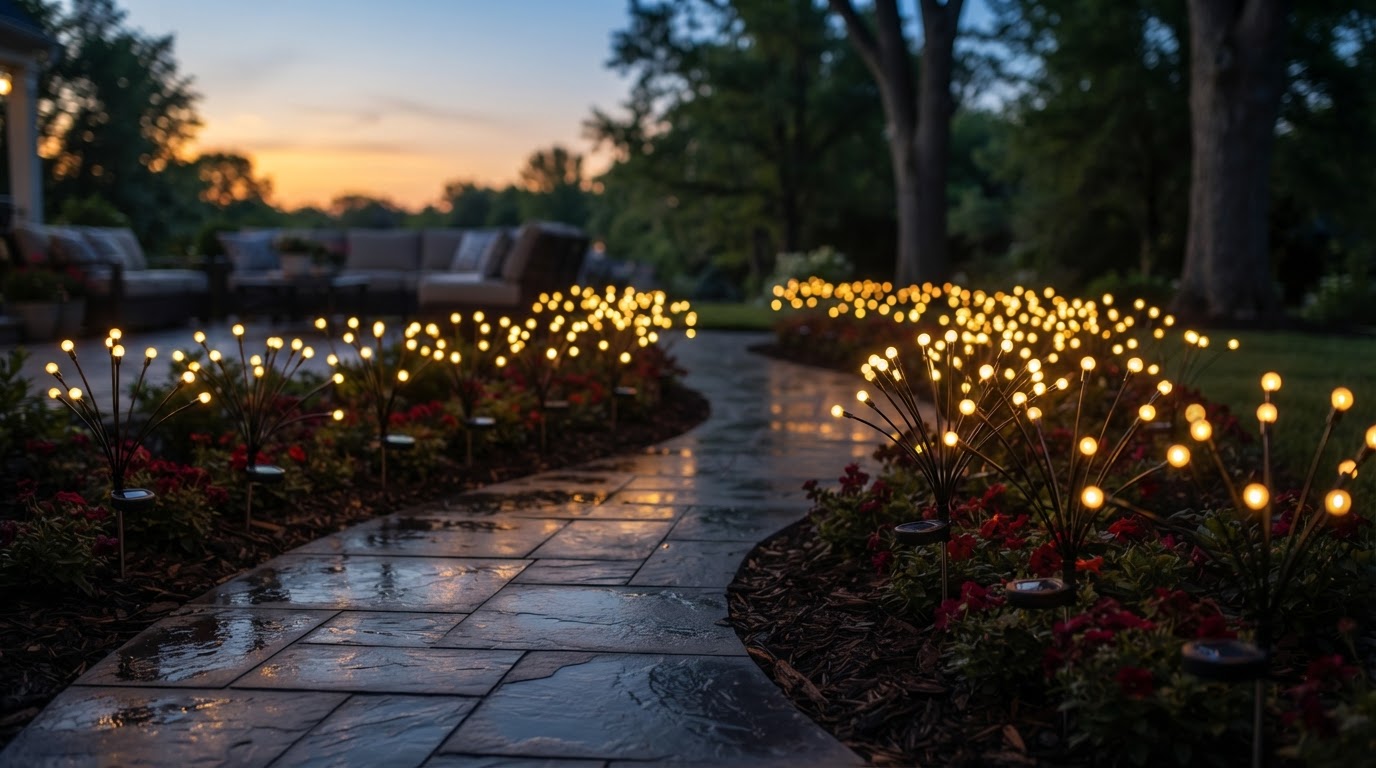
The conventional wisdom says that a $9.99 price point is an automatic win for holiday decorating. However, run the math: According to Slickdeals.net, the PATIOPIA 4-pack offers a total of 40 LEDs, which averages to just 10 bulbs per stake. In contrast, the standard 8-pack of Solar Firefly Lights provides 64 warm LED bulbs, or 8 bulbs per stake, but with a focus on perpetual year-round use rather than a niche green-tinted seasonal aesthetic. Slickdeals.net also notes these units feature two lighting modes and an auto on/off function, standard features that are often mistaken for premium upgrades.
Photo by Matheus Bertelli on Pexels
Here's the part nobody talks about: the efficiency of the photovoltaic conversion. Seasonal lights at this price point often utilize smaller, lower-milliamperage batteries that struggle to maintain a full night's charge as daylight hours decrease in October. While the PATIOPIA units are marketed as "Scary Swaying Firefly Lights," their utility is limited to a specific color temperature that lacks versatility for landscape lighting or garden path illumination. For those looking at durable patio upgrades or year-round walkway safety, the cost-per-hour of operation for a permanent Solar Firefly Lights installation typically outperforms these temporary holiday stakes.
Expert tip: When installing swaying solar stakes, avoid placing them in high-density shrubbery. The flexible stems require a 6-inch clearance radius to achieve the intended kinetic movement without snagging, regardless of whether you are using holiday-specific green LEDs or standard warm white bulbs.
I'll change my mind when these sub-$10 seasonal units can demonstrate a weather-resistance rating that survives a full winter cycle without significant lumen depreciation.