How Many Solar Firefly Lights Do You Need? A Landscape Density Guide
How many solar firefly lights you need depends on how large a swarm you want, not on square footage alone. A 4-pack holds 32 warm LEDs; an 8-pack holds 64. Cluster those stems on sunlit beds, path edges, and patio plantings so the glow reads as one living band. Skip dark corners that cannot finish a 6-8 hour charge, because extra stakes in shade do not add an 8-10 hour night.
Count LEDs, then count sunlit rooms of the yard
Density is LED count in the viewer's eye, not stakes per acre. Four lonely posts along a long fence look sparse even though a 4-pack is on the ground. The same 32 warm LEDs nested in one flower bed look lush. Start by listing the scenes people actually see after dusk: the walk to the door, the patio edge, the bed beside the dining table.
Give each scene enough LEDs to fill the foreground. A single bunch in a wide bed is a spark, not a field. Two bunches in the same bed, still in sun, read as depth.
Do not count the whole lot. A side yard that nobody walks at night can stay dark. Lights there waste a 6-8 hour charge window on a view that is never used. The 4-pack versus 8-pack landscape guide is the pack-size neighbor to this density map.
A 4-pack is a scene; an 8-pack is a route
Photo by Hồng Thắng Lê on Pexels
Treat a 4-pack as one composed scene: one bed, one short walk, one cluster of pots. Thirty-two warm LEDs can enchant a small foreground if they sit together. Split those four stakes to four corners of the property and the night looks accidental.
Treat an 8-pack as a route: both sides of a path, or a path plus the patio bed, or a longer border. Sixty-four warm LEDs can carry the eye from the gate to the table. That is landscape density, not a lighting plan for every shrub.
If the first night still looks thin, add another pack to the same scene rather than starting a new distant corner. Layering on the viewed bed is how a swarm builds. Starting a second, weaker scene is how yards look dotted.
Spacing that still looks like fireflies
Equal spacing is a runway. Firefly density is irregular clusters with a little dark between them. Set bunches near plants so flexible stems can sway, then leave a pause of shadow, then another cluster. The dark is part of the magic. Wall-to-wall LEDs flatten the garden the same way a flood does.
Keep panels in the open inside each cluster. Density that shades its own solar faces will not run 8-10 hours. Leaves can hide stems; they should not bury the panel.
Driveways and walkways can take a line of clusters along the planted shoulder, not down the center of the paving. The walk stays clear. The glow sits in the plants where it belongs.
How many LEDs for common garden scenes
| Scene | Starting pack | Why | | --- | --- | --- | | One small flower bed by the door | 4-pack (32 LEDs) | One swarm in the foreground | | Short garden walk, one planted edge | 4-pack, clustered | Edge glow without a runway | | Walk plus patio planting | 8-pack (64 LEDs) | Route from gate to table | | Both edges of a longer path | 8-pack or two 4-packs | Two clusters, still in sun | | Wide border that still looks thin | Add a pack to the same bed | Layer, do not start a distant corner |
Shade, pots, and the places extra packs fail
A dense hedge, a north wall, and a covered porch are poor density investments. Extra LEDs there still need 6-8 hours of sun. If the panel cannot see the sky, the night goes dark no matter how many packs arrived in the box.
Containers work when the potting mix is soft enough to stake and the pot sits in sun. A shaded urn by the door will not carry an 8-10 hour dusk-to-dawn cycle. Move the pot or skip it.
Weddings and parties want a fuller display along the walked route, not a scatter across unused lawn. Put the 64-LED look where guests actually stand.
Landscape density checklist
Photo by Matheus Bertelli on Pexels
- [ ] List the scenes people see after dusk, not the whole lot.
- [ ] Assign 32 LEDs to one scene or 64 LEDs to a route.
- [ ] Cluster stems; do not grid them equally.
- [ ] Drop any spot that cannot take 6-8 hours of sun.
- [ ] If the first night looks thin, layer the same bed.
- [ ] Keep panels clear inside each cluster.
Frequently asked questions
How many solar firefly lights does a typical backyard need?
Most yards need lights for one or two viewed scenes, not the fence line. Start with a 4-pack for one bed or an 8-pack for a walk plus patio.
Is an 8-pack always better than a 4-pack?
Only if there is sunlit soil to fill. Sixty-four LEDs in shade are a dimmer 8-pack, not a denser garden.
Should every stake sit the same distance apart?
No. Irregular clusters look like fireflies. Equal spacing looks like a utility walk.
Can one 4-pack cover a long driveway?
Not as a continuous line. Use it as a cluster at the entry planting, or step up to an 8-pack for a longer planted shoulder.
What if the first install still looks sparse?
Add the next pack to the same viewed bed. Layering builds a swarm. A new distant corner does not.
Related reading
Pack size, bunch placement, and landscape design sit next to this density count.
- solar firefly lights 4-pack versus 8-pack
- five-point bunch placement framework for solar firefly lights
- enhancing landscapes with solar firefly lights
What to do next
Name the one or two scenes that matter after dusk. Put a 4-pack of 32 warm LEDs in a single bed, or an 8-pack of 64 along a sunlit walk, clustered so the glow reads as a swarm rather than a dotted line.
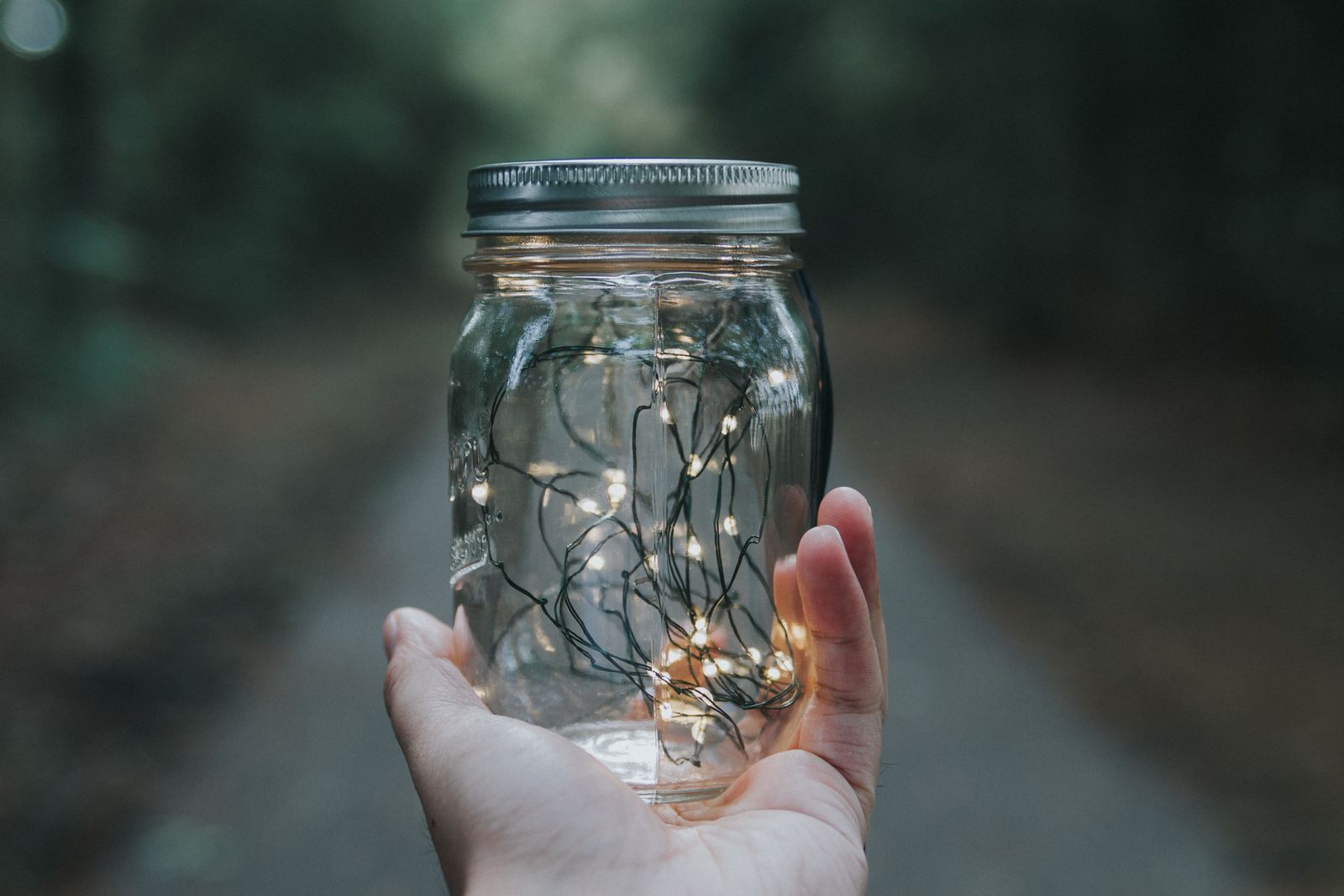
Cover photo by Jerm Gonzalo on Pexels.