Can Solar Firefly Lights Stay Outside in the Snow? Winter Weather FAQ
Solar Firefly Lights can stay outside in the snow as waterproof, outdoor-ready garden stakes, provided the solar panel is not buried and the ground can still hold the post. Snow on the face blocks the 6-8 hour charge, so winter nights often run shorter than the 8-10 hour dusk-to-dawn window. Clear the panel, skip frozen soil, and treat deep drifts as a reason to lift the bunch, not as a weather test.
Outdoor ready is not the same as buried
Waterproof and outdoor ready is the listed winter-adjacent feature. The lights are meant to live in a garden through weather. A drift that covers the panel is not weather on the fixture. It is a blanket over the charger. No stored sun means no 8-10 hour night, no matter how hardy the housing looks.
Leave the stakes in if snow is light, the panel can be brushed off, and the soil is not a skating rink of ice. Bring them in, or at least lift them onto a sunlit porch pot, if the bed will sit under a plow pile or a roof slide.
There is no published enclosure code to quote here, and inventing one does not make a buried panel charge. The winter durability FAQ for waterproof solar firefly lights is the broader cold-season map; this page is the snow-on-the-panel problem.
Winter sun is the real limiter

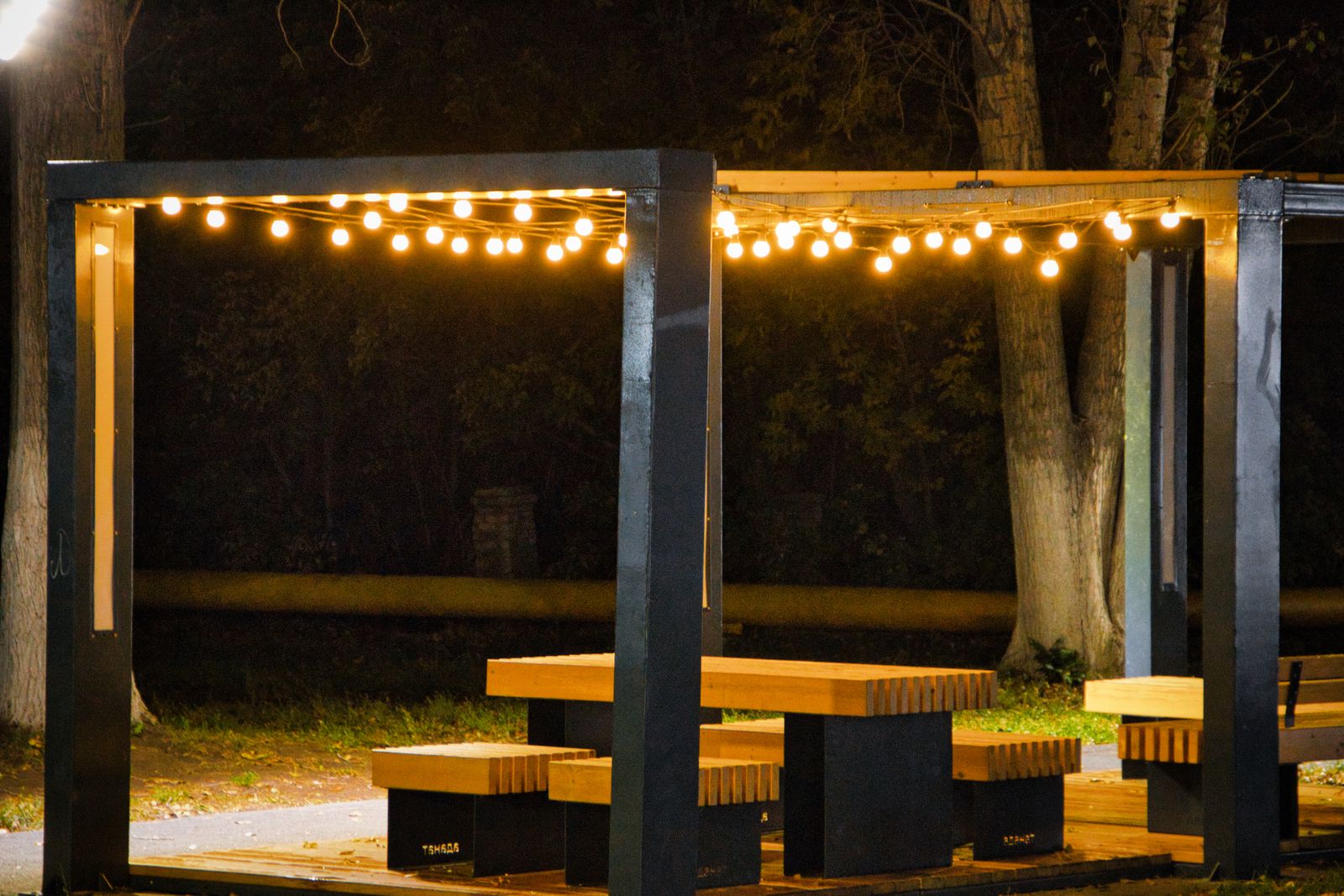
Photo by Myco Libot on Pexels
Charge still wants 6-8 hours of direct sunlight. December sun is lower, days are shorter, and a south bed that worked in June may only see a weak strip in January. Expect shorter nights. That is a charge budget, not a failed dusk-to-dawn sensor.
Place winter bunches on the sunniest remaining soil: a south walk edge, an unshaded patio pot, a bed that is not behind an evergreen. North corners and the shadow of the house are summer-only homes.
Brush snow off the panel with a gloved hand. Do not chip ice with a shovel on the face. Do not pour boiling water over the unit. Dry wipe when you can. Wet snow that refreezes into a crust is still a blocked charger until it melts.
Frozen ground and flexible stems in the cold
Installation is a stake into soft ground. Frozen clay is not soft. Do not hammer a stake into ice. Wait for a thaw, or move the bunch into a pot of unfrozen mix that can sit in sun. Re-staking in a thaw is normal. Frost heave will loosen summer holes.
Flexible stems can still sway in a winter breeze when they are not iced together. If stems are glazed into a single stick, wait for a melt. Forcing them apart while brittle is how the firefly look is lost until spring.
A 4-pack or 8-pack does not change winter physics. Thirty-two or 64 LEDs still need clear panels. Fewer stakes in the sunniest pockets beat a full 8-pack under snow.
Snow-night choices for solar firefly stakes
| Condition | Leave them out | Lift or wait | | --- | --- | --- | | Light snow, panel reachable | Brush the face; keep dusk-to-dawn | If you cannot reach the panel | | Panel buried in a drift | No charge until it is cleared | Lift the bunch or dig it out gently | | Frozen soil, new install | Do not stake | Wait for thaw or use a sunlit pot | | Short gray winter day | Expect a shorter than 8-10 hour night | Move remaining stakes to the sunniest bed | | Roof slide or plow pile | Hardware is in the way of debris | Store until the pile is gone |
A simple winter routine
After each snow that sticks, walk the sunlit bed and uncover panels. Press posts back if the thaw loosened them. Leave stems alone until ice releases. Do not add extra packs to a dim winter border in hope of more light. Extra panels under the same gray sky still share the same short day.
If the garden goes unused from January to March, storing the bunches in a dry garage is allowed. If the walk is still used, keep a 4-pack of 32 LEDs on the sunniest edge and accept the shorter night.
Spring is a wipe, a restake into soft ground, and a return to 6-8 hour charge days as the sun climbs.
Snow and winter solar firefly checklist

Photo by Lucas Pezeta on Pexels
- [ ] Leave outdoor-ready stakes out only if the panel can stay clear.
- [ ] Brush snow off the face; never chip ice with a tool.
- [ ] Expect shorter nights when the day is under 6-8 hours of sun.
- [ ] Do not stake frozen ground; wait or use a sunlit pot.
- [ ] Press posts back after freeze-thaw.
- [ ] Store units that would sit under a plow pile.
Frequently asked questions
Can solar firefly lights stay outside in the snow?
Yes as outdoor-ready garden stakes, if the panel is not buried and the ground can hold the post. A covered panel will not charge.
Will they still run 8-10 hours in winter?
Only after a real 6-8 hour charge. Short, gray days often mean a shorter night.
Should they be brought inside for every snowfall?
Not for light snow you can brush off. Bring them in, or lift them, when a drift, plow pile, or roof slide will bury or hit them.
Can new stakes go into frozen soil?
No. Soft ground is the install. Wait for a thaw or use a planter with unfrozen mix in the sun.
Does waterproof mean they can sit in melt puddles?
Waterproof and outdoor ready is garden weather, not standing water. Drain the site when snow melts.
Is an 8-pack better than a 4-pack in snow country?
Only if all 64 LEDs still have clear, sunlit panels. A smaller 4-pack in a south bed often outlasts a buried 8-pack.
Related reading
Wet-weather performance, charging placement, and how long bunches stay lit sit next to this snow FAQ.
- solar firefly lights performance in wet conditions
- solar firefly lights charging efficiency and placement
- whether solar firefly bunch lights stay lit all night
What to do next
If snow is on the garden, brush every solar panel clear and leave only the bunches that still see winter sun. Do not stake frozen ground. After the thaw, firm the soil and let a 6-8 hour charge rebuild the dusk-to-dawn glow.
Cover photo by Кирилл Абрамов on Pexels.